

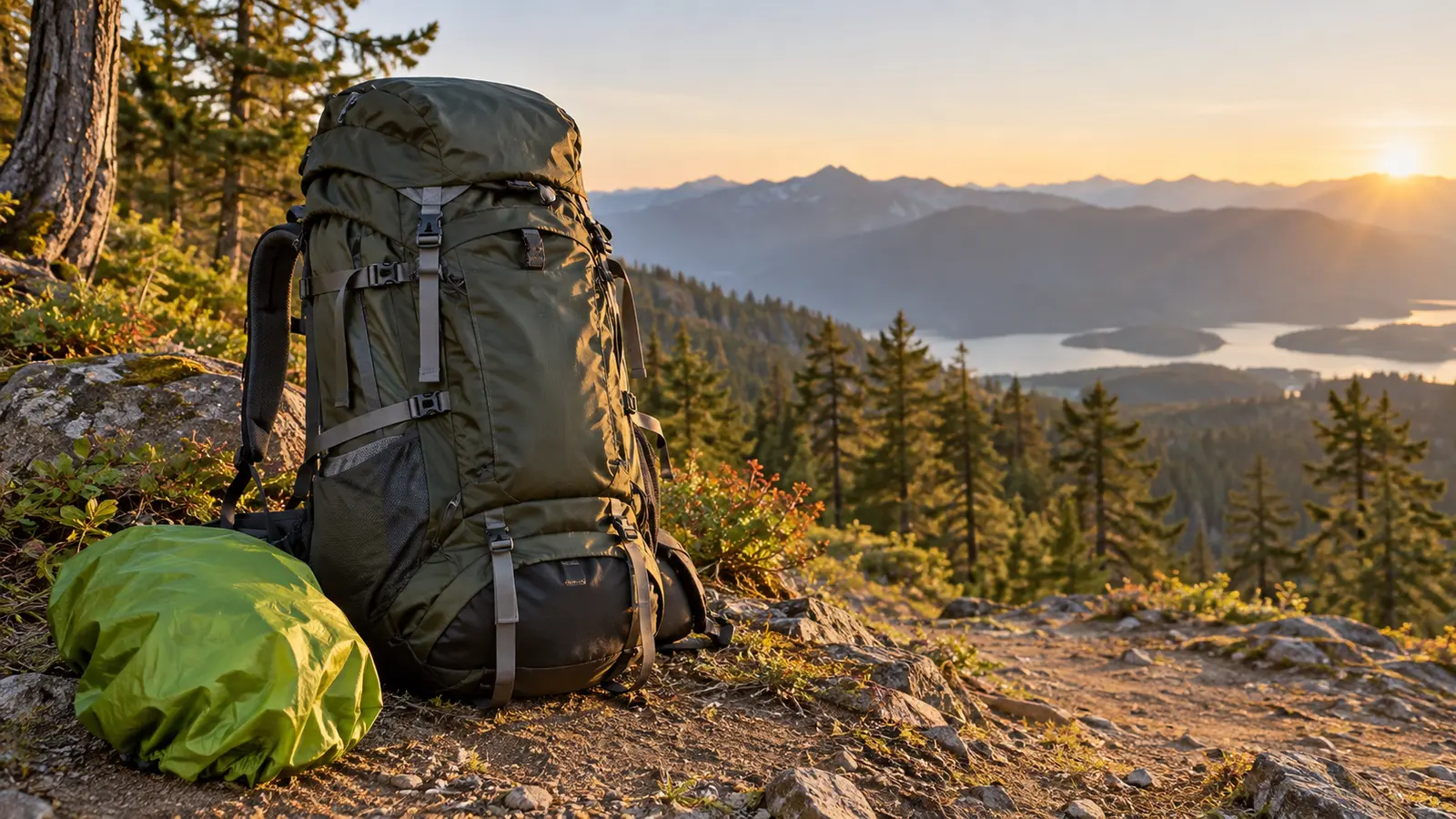
Choosing the right backpack can make a huge difference when you’re spending time outdoors.
Whether you’re heading out for a short day hike, planning a weekend camping trip, or carrying your essential gear on a longer outdoor adventure, your backpack needs to provide a comfortable fit, practical storage, and enough durability for the conditions you’ll encounter.
Maelstrom Hiking Backpacks are designed for outdoor enthusiasts looking for functional and versatile packs that can be used for hiking, camping, travel, and everyday adventures.
With different capacities, compartments, pockets, and carrying features available across the Maelstrom lineup, these backpacks can appeal to hikers who want plenty of organization without necessarily moving into an ultralight backpacking setup.
But what should you look for in a hiking backpack?
And is a Maelstrom backpack a good choice for your next outdoor adventure?
Let’s take a closer look.
What Is a Maelstrom Hiking Backpack?
A Maelstrom Hiking Backpack is an outdoor pack designed to carry hiking and camping essentials while keeping your equipment organized and accessible.
Depending on the model and size, Maelstrom backpacks can include features such as:
- Multiple compartments
- Side pockets
- Water bottle storage
- Hydration compatibility
- Adjustable straps
- Padded back panels
- Chest straps
- Waist or hip straps
- External attachment points
- Rain covers on selected models
The exact features and capacity vary by model, so it’s important to check the specifications of the individual backpack before purchasing.
The key idea is versatility.
A good hiking backpack should work not only on the trail but also for camping trips, travel, outdoor activities, and everyday use.
Why Is a Good Hiking Backpack Important?
Your backpack carries almost everything you need during an outdoor adventure.
That can include:
- Water
- Food
- First-aid supplies
- Extra clothing
- Navigation equipment
- Rain gear
- Camping equipment
- Flashlights
- Electronics
- Personal items
A poorly designed backpack can become uncomfortable very quickly.
A well-designed pack distributes the load across your body and gives you convenient access to your most important gear.
That’s why choosing the right hiking backpack is about much more than simply finding a bag with enough space.
Comfort, organization, fit, weight, and durability all matter.
Maelstrom Hiking Backpacks for Day Hiking
For short hikes, you don’t necessarily need a huge backpack.
A hiking day pack is usually designed to carry the essentials without the bulk of a large overnight backpack.
A smaller Maelstrom backpack can be useful for:
- Short hikes
- Nature walks
- Day trips
- Travel
- Fishing
- Photography
- Outdoor sightseeing
- School and everyday activities
A day hiking pack should have enough capacity for water, snacks, a light jacket, and emergency essentials without becoming unnecessarily large.
If you normally hike for only a few hours, a smaller pack may be much more practical than a large backpacking pack.
Maelstrom Hiking Backpacks for Camping
Camping usually requires more equipment than a simple day hike.
A camping backpack may need to carry:
- Clothing
- Food
- Water
- Cooking equipment
- Sleeping accessories
- Headlamp
- First-aid kit
- Personal items
- Navigation equipment
- Emergency supplies
For car camping, the backpack doesn’t necessarily need to carry your entire camping system.
Instead, it can function as an organized gear bag for the items you’ll use while exploring around your campsite.
This makes a versatile Maelstrom outdoor backpack useful for campers who want one pack that can serve multiple purposes.
What Makes a Good Hiking Backpack?
Before buying a hiking backpack, consider several important features.
1. Capacity
Backpack capacity is usually measured in liters.
A small hiking backpack may be ideal for short day hikes, while larger packs are better suited to overnight trips and extended adventures.
Think about what you normally carry before choosing the capacity.
A bigger backpack isn’t automatically better.
A pack that’s too large can encourage you to carry unnecessary gear and can become heavier than necessary.
2. Comfortable Shoulder Straps
Shoulder straps are one of the most important parts of any hiking bag.
Look for straps that are padded and adjustable.
Proper adjustment helps keep the backpack close to your body while reducing unnecessary movement.
3. Chest Strap
A chest or sternum strap can help stabilize the backpack while you’re walking.
This can be especially useful on uneven terrain.
4. Hip or Waist Belt
Larger hiking backpacks may include a waist belt designed to help transfer some of the load away from your shoulders.
For heavier loads, this can significantly improve comfort.
5. Back Ventilation
Hiking can generate a lot of body heat.
A backpack with a ventilated or padded back panel can help improve comfort during warm-weather hikes.
6. Multiple Compartments
Organization matters.
Separate compartments make it easier to find your water bottle, snacks, rain jacket, first-aid supplies, and other equipment without unpacking the entire bag.
Hiking Gear: What Should You Carry?
The right hiking gear depends on the length, location, weather, and difficulty of your trip.
However, some essentials are useful for almost every hike.
Basic Hiking Gear Checklist
- Water
- Food and snacks
- First-aid kit
- Navigation device or map
- Phone
- Portable power bank
- Headlamp or flashlight
- Extra clothing
- Rain jacket
- Sunscreen
- Insect protection
- Emergency supplies
For longer hikes, you may also need additional equipment such as trekking poles, extra food, water filtration, or overnight camping equipment.
Your backpack should be large enough to accommodate what you actually need without becoming unnecessarily heavy.
Hiking Backpack for Women
Finding the right hiking backpack for women is primarily about fit rather than simply choosing a backpack marketed toward women.
Women’s body proportions can differ, and some hikers may prefer packs with specific torso lengths, shoulder-strap shapes, or hip-belt designs.
The most important consideration is whether the backpack fits your body comfortably.
When choosing a pack, pay attention to:
- Shoulder strap position
- Torso length
- Hip-belt placement
- Backpack width
- Overall weight
- Adjustability
The best hiking backpack for women is ultimately the one that fits the individual hiker properly.
A well-adjusted unisex backpack can work very well for many hikers, while others may prefer a women-specific design.
Hiking Gear for Women
A comfortable backpack is only one part of a good outdoor setup.
Hiking gear for women can include everything from footwear and clothing to hydration systems, navigation equipment, and camping accessories.
When building a hiking kit, focus on the conditions rather than simply choosing products based on gender.
Weather, terrain, distance, and personal comfort should determine what you carry.
A lightweight rain jacket may be more important than an extra shirt.
A reliable water system may be more important than another accessory.
The goal is to carry the right equipment—not simply more equipment.
Small Hiking Backpack: When Is Smaller Better?
A small hiking backpack can be an excellent choice when you’re taking short trips.
If your hike lasts only a few hours, you may only need:
- Water
- Snacks
- Phone
- First-aid kit
- Light jacket
- Sunscreen
- Keys
- Small personal items
A large backpack would simply add unnecessary bulk.
Small hiking packs are also convenient for travel because they’re easier to store and carry through airports, vehicles, and urban environments.
If you regularly alternate between hiking and everyday activities, a versatile smaller backpack can be particularly useful.
Maelstrom Hiking Backpack Comfort
Comfort should be one of the highest priorities when selecting a backpack.
Even a backpack with excellent storage isn’t useful if it becomes painful after an hour on the trail.
Look for:
Adjustable Shoulder Straps
These allow you to position the pack correctly on your back.
Chest Strap
This helps stabilize the shoulder straps.
Waist Belt
Useful for distributing heavier loads.
Padded Back
A padded back panel can improve comfort when carrying equipment for longer periods.
Proper Weight Distribution
Try to place heavier items closer to your back and lighter items toward the outside of the pack.
This can make the backpack feel more stable while walking.
Outdoor Backpack Organization
One of the biggest advantages of a well-designed outdoor backpack is organization.
Instead of putting everything into one large compartment, separate storage areas allow you to organize your equipment based on how frequently you need it.
For example:
Main compartment
Clothing, food, and larger equipment.
Side pockets
Water bottles and items you need quickly.
Small accessory pockets
Keys, phone, wallet, sunscreen, and other small items.
External attachment points
Useful for selected outdoor equipment, depending on the backpack design.
Good organization saves time and reduces frustration on the trail.
Backpacking vs. Hiking: What’s the Difference?
The words hiking and backpacking are sometimes used interchangeably, but they can describe different types of outdoor trips.
Hiking
Usually refers to walking on trails for several hours or a day.
A day pack may be enough.
Backpacking
Usually involves carrying camping equipment and spending one or more nights outdoors.
A larger backpack is normally required.
Backpacking equipment may include:
- Tent
- Sleeping bag
- Sleeping pad
- Cooking system
- Food
- Water
- Clothing
- Navigation equipment
If you’re planning a multi-day trip, make sure your backpack has enough capacity for your entire system while remaining comfortable when fully loaded.
How to Pack a Hiking Backpack
How you organize your backpack can be almost as important as the backpack itself.
Bottom of the Backpack
Place lightweight items that you won’t need immediately.
For example:
- Extra clothing
- Sleeping equipment
- Spare items
Center of the Backpack
Keep heavier items closer to your back.
This can help improve balance and reduce unnecessary movement.
Top of the Backpack
Place items you’ll need during the day.
For example:
- Rain jacket
- Snacks
- Navigation equipment
- First-aid kit
External Pockets
Keep frequently accessed items where you can reach them quickly.
Good organization makes your hiking experience much more convenient.
How to Choose the Best Hiking Backpack
There isn’t one backpack that’s perfect for everyone.
The best hiking backpacks are the ones that match the user’s activity, body, and equipment requirements.
Before buying, ask yourself:
How Long Are Your Hikes?
Short hikes require less storage.
Overnight trips require significantly more capacity.
How Much Gear Do You Carry?
Minimalist hikers can use smaller packs.
Photographers, families, and campers may need more storage.
Do You Hike in Hot Weather?
Ventilation and breathable back panels become more important.
Do You Hike in Rain?
A rain cover or water-resistant construction may be valuable.
Do You Use a Hydration System?
Look for hydration-compatible designs if you prefer drinking water through a hydration bladder.
Maelstrom Hiking Backpacks for Travel
A hiking backpack can also be useful outside the trail.
A versatile hiking bag can function as a travel backpack for:
- Weekend trips
- Road trips
- Air travel
- Outdoor vacations
- Day tours
- Sightseeing
Multiple compartments can make it easier to organize electronics, clothing, documents, and personal items.
This versatility can make an outdoor backpack a useful addition to your everyday gear collection.
Maelstrom vs. Other Hiking Backpack Brands
The hiking backpack market includes many brands and styles.
You may come across names such as Osprey, CamelBak, and other outdoor brands when researching hiking equipment.
For example, an Osprey hiking backpack may appeal to hikers looking for a specialized backpacking system, while CamelBak is particularly well known for hydration-focused products.
The important thing is not simply choosing the most recognizable brand.
Instead, compare:
- Capacity
- Weight
- Fit
- Materials
- Suspension system
- Storage
- Hydration compatibility
- Weather protection
- Intended use
- Price
This approach helps you choose a backpack based on your actual needs.
Is a Maelstrom Hiking Backpack Good for Outdoor Adventures?
A Maelstrom backpack can be a practical choice for outdoor enthusiasts who want a versatile pack for hiking, camping, travel, and everyday use.
The most important thing is selecting the correct model.
A smaller pack can be ideal for day hiking.
A larger model can be better for camping and longer adventures.
Before purchasing, carefully check the dimensions, capacity, weight, materials, straps, compartments, and included accessories of the specific Maelstrom backpack.
Pros and Cons of Maelstrom Hiking Backpacks
Pros
- Versatile outdoor use
- Multiple storage compartments
- Suitable for hiking and camping
- Different sizes available
- Useful for travel
- Practical organization
- Adjustable carrying systems on applicable models
- Can serve as an everyday outdoor bag
Cons
- Some larger models may be too heavy for ultralight backpacking
- Features vary significantly between models
- Larger backpacks can become uncomfortable when overloaded
- The best size depends heavily on the type of trip
Final Verdict: Maelstrom Hiking Backpacks
Maelstrom Hiking Backpacks are worth considering for outdoor enthusiasts who want a practical and versatile backpack for hiking, camping, travel, and everyday adventures.
The right backpack should provide enough capacity for your gear while remaining comfortable enough to carry for the duration of your trip.
For short day hikes, a small hiking backpack can provide everything you need without unnecessary bulk.
For camping and longer adventures, a larger camping backpack may provide the additional storage required for food, clothing, and outdoor equipment.
When choosing your next backpack, focus on the features that matter most: capacity, comfort, organization, durability, fit, and intended use.
Don’t choose a backpack simply because it looks good.
Choose one that matches the way you actually spend time outdoors.
Whether you’re heading out for a few hours on a local trail, planning a weekend camping adventure, or exploring somewhere completely new, the right Maelstrom Hiking Backpack can help keep your gear organized and make the journey more comfortable.
Because when your backpack works with you instead of against you, you can spend less time thinking about your gear and more time enjoying the trail.
Leave a Reply
You must be logged in to post a comment.