

1 Way Camping
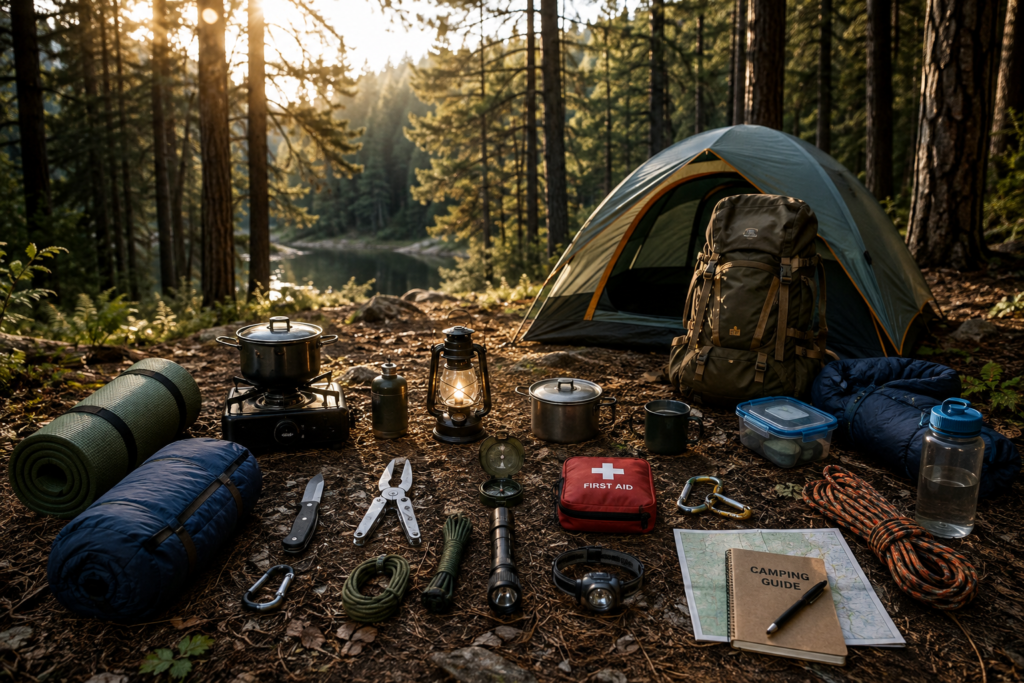
The Ultimate Guide for Outdoor Adventures
Whether you’re planning a weekend camping trip, a family adventure, a backpacking expedition, or a simple night under the stars, having the right camping gear can make all the difference.
The right equipment can keep you comfortable, safe, organized, and prepared for changing weather and unexpected situations. But with thousands of outdoor products available, choosing what you actually need can be overwhelming.
This guide covers the essential camping gear every outdoor enthusiast should consider before heading into the wilderness.
What Camping Gear Do You Really Need?
You don’t need to pack everything you see in an outdoor store.
The best camping setup depends on several factors, including:
- Where you’re camping
- How long you’ll be outdoors
- The weather and season
- Whether you’re car camping or backpacking
- How many people are going
- Your level of outdoor experience
However, there are several categories of gear that are useful for almost every camping adventure.
Let’s take a look at the essentials.
1. Camping Tents & Shelters
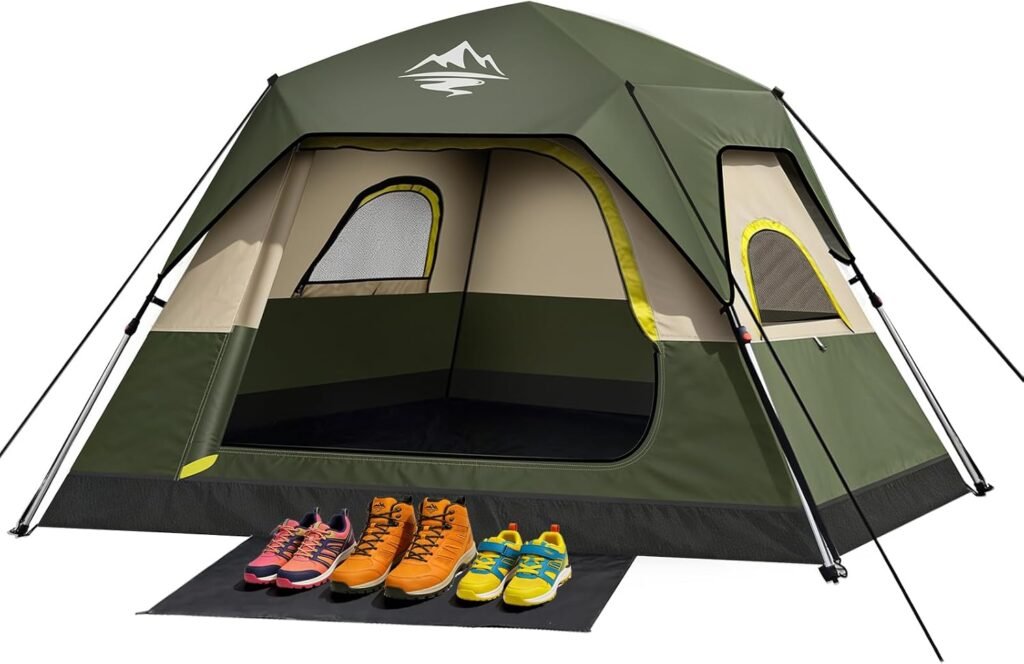
A reliable shelter is one of the most important pieces of camping equipment.
Your tent protects you from rain, wind, insects, cold temperatures, and moisture. When choosing a tent, consider its capacity, weight, weather resistance, ventilation, and ease of setup.
Things to consider when choosing a camping tent:
- Number of people
- Season rating
- Waterproofing
- Wind resistance
- Weight
- Packed size
- Setup time
- Ventilation
- Available interior space
For car camping, a larger and more spacious tent can provide excellent comfort. Backpackers usually prioritize lightweight tents that are easy to carry.
Recommended for: Family camping, weekend camping, car camping, backpacking, and outdoor adventures.
2. Sleeping Bags
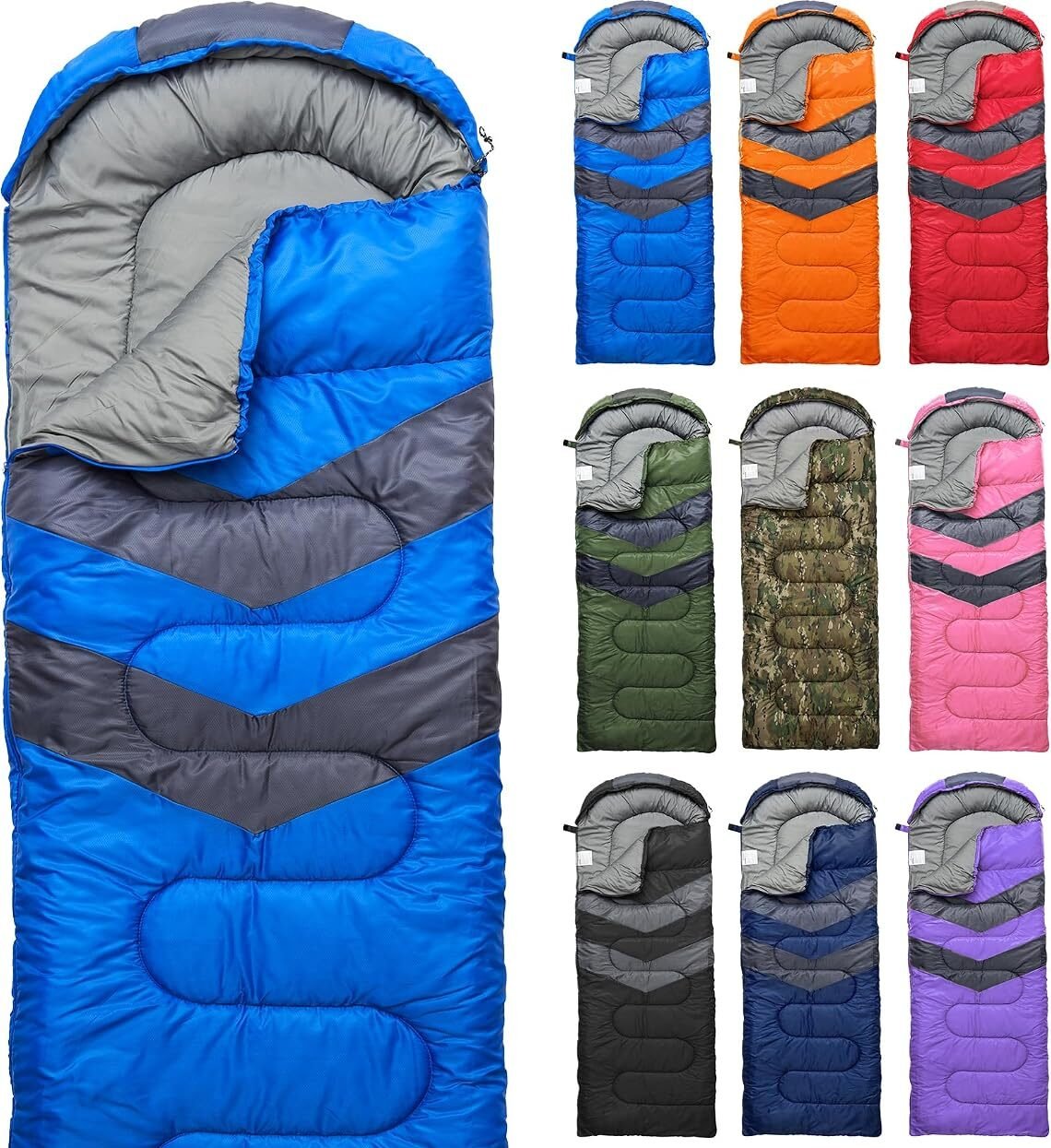
A good sleeping bag can make the difference between a comfortable night and a miserable one.
Sleeping bags are designed for different temperatures and environments. Always check the temperature rating before choosing one.
For colder conditions, look for a sleeping bag designed for low temperatures. For summer camping, a lightweight sleeping bag may be more appropriate.
When choosing a sleeping bag, consider:
- Temperature rating
- Insulation type
- Weight
- Packed size
- Shape
- Material
- Water resistance
Remember that temperature ratings are guidelines. Your sleeping pad, clothing, tent, and personal tolerance to cold can all affect how warm you feel.
3. Sleeping Pads & Camping Mattresses
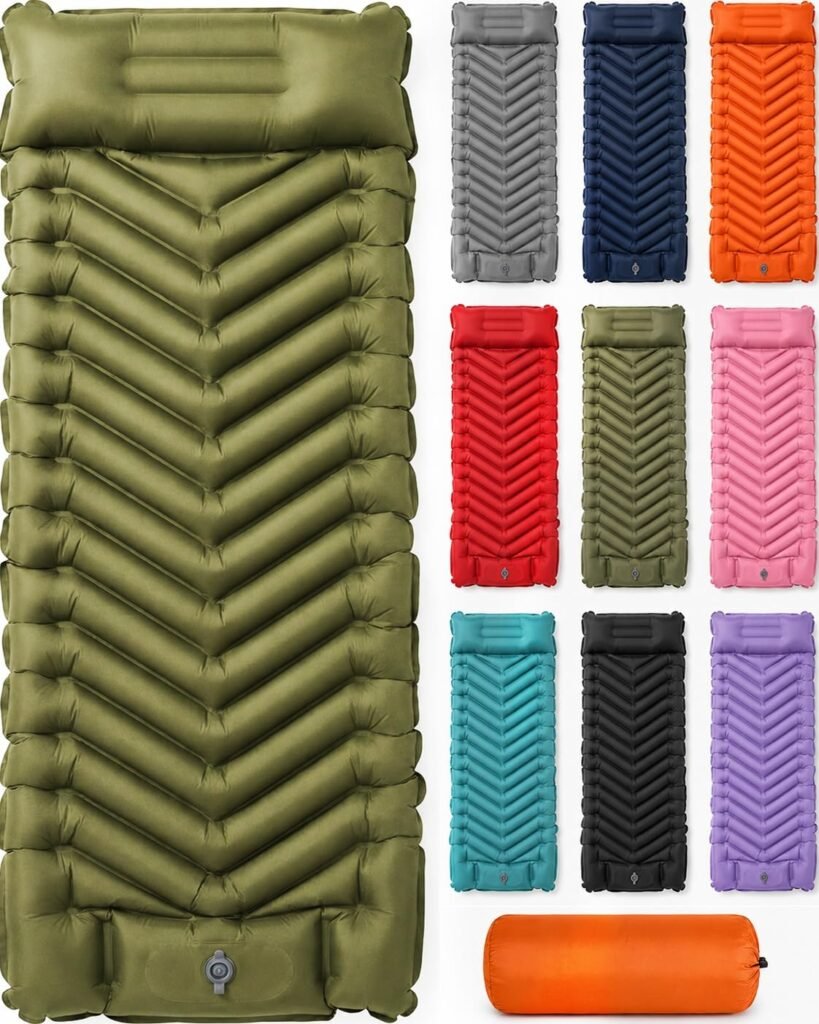
A sleeping bag keeps you warm, but your sleeping pad provides insulation from the cold ground and adds comfort.
There are several types of sleeping systems, including:
- Foam sleeping pads
- Self-inflating pads
- Inflatable sleeping pads
- Camping mattresses
- Portable air mattresses
Backpackers typically prefer lightweight inflatable or foam pads, while car campers may choose thicker mattresses for additional comfort.
4. Camping Chairs & Furniture
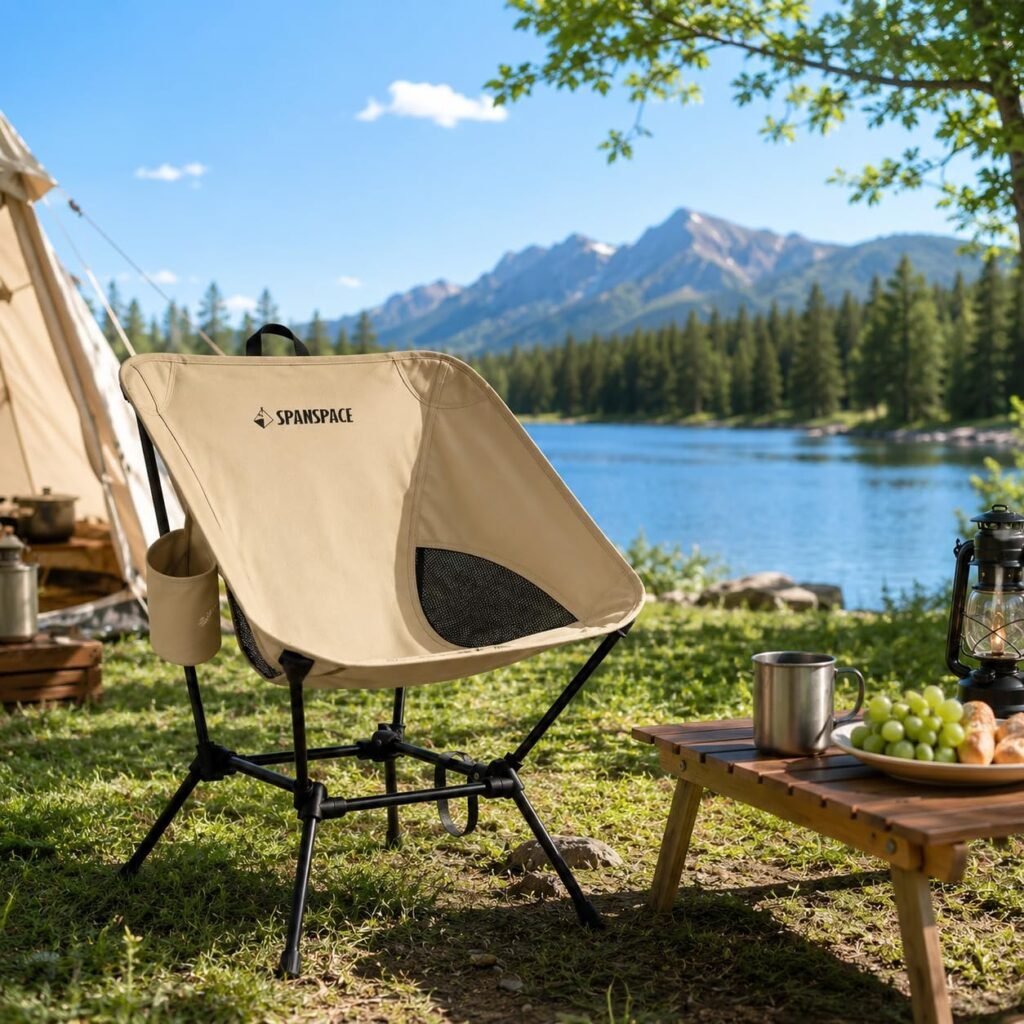
Comfortable camping furniture can make your campsite feel much more enjoyable.
A quality camping chair is especially useful around the campfire, while folding tables can provide a convenient place for cooking, eating, and organizing your equipment.
Look for furniture that is:
- Durable
- Easy to fold
- Lightweight
- Compact
- Weather resistant
- Comfortable
For family and car camping, portability may be less important than comfort and durability.
5. Camping Stoves & Outdoor Cooking
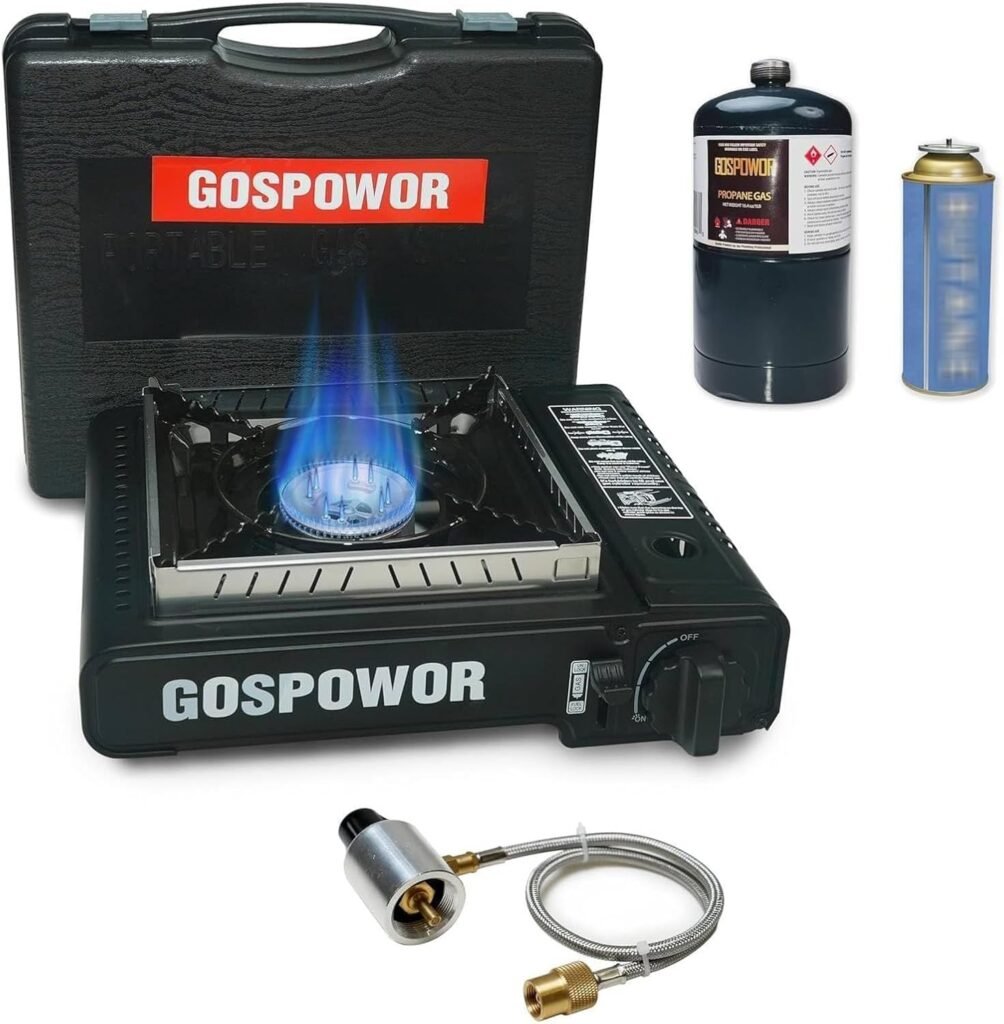
Cooking outdoors is one of the best parts of camping.
A portable camping stove allows you to prepare hot meals and boil water even when you’re far away from a traditional kitchen.
Popular options include:
- Portable propane stoves
- Butane camping stoves
- Backpacking canister stoves
- Compact wood-burning stoves
Choose your stove based on the type of camping you do and the number of people you need to cook for.
Don’t forget essential cooking accessories such as:
- Camping cookware
- Pots and pans
- Utensils
- Plates and bowls
- Cups
- Cutting boards
- Food storage containers
6. Camping Coolers & Food Storage
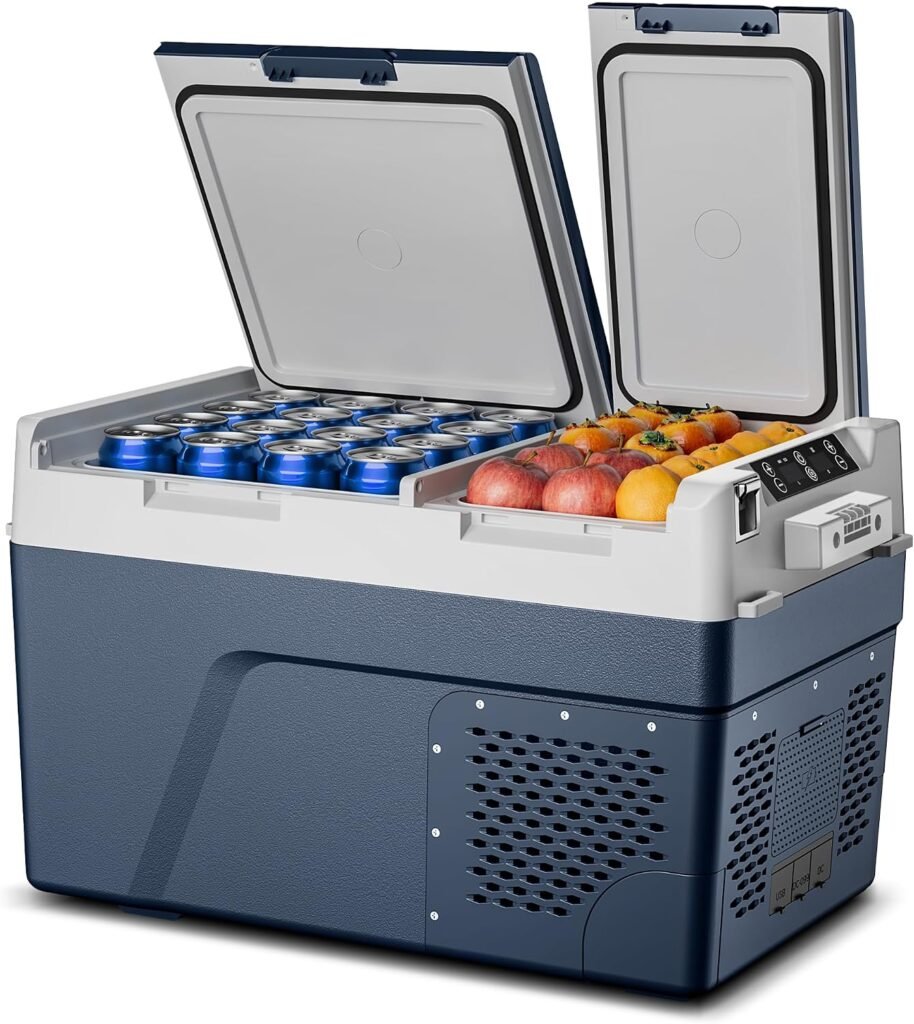
Keeping food and drinks cold is essential for many camping trips.
A good cooler should provide reliable insulation while being durable enough for outdoor use.
When choosing a cooler, consider:
- Capacity
- Insulation performance
- Weight
- Portability
- Durability
- Ease of cleaning
For longer trips, food storage containers can also help protect food from moisture, insects, and other outdoor elements.
7. Camping Lanterns & Lighting
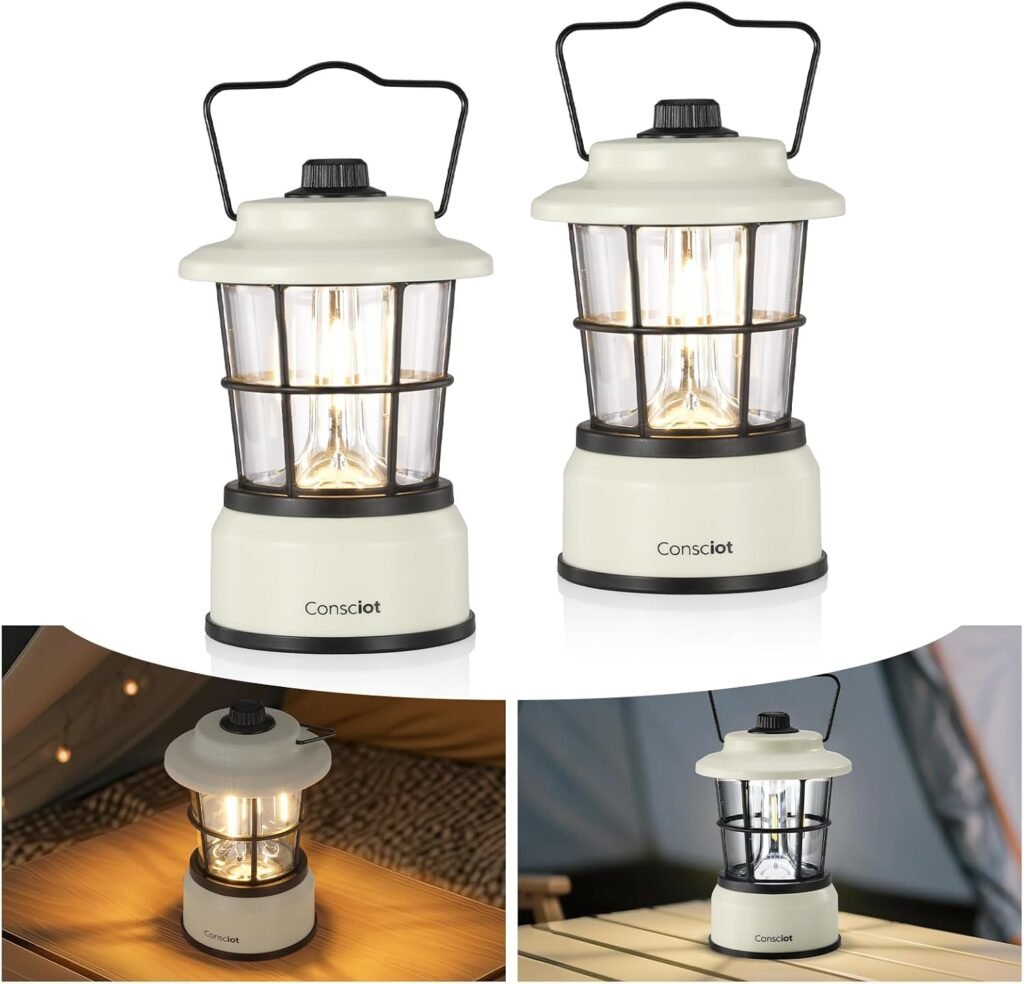
Once the sun goes down, reliable lighting becomes essential.
A good camping lantern can illuminate your campsite, while a headlamp keeps your hands free when walking, cooking, or setting up your tent.
Consider carrying more than one source of light.
Useful camping lighting:
- LED lanterns
- Headlamps
- Flashlights
- String lights
- Portable rechargeable lights
It’s also a good idea to bring extra batteries or a way to recharge your devices when you’re away from electricity.
8. Hiking Backpacks
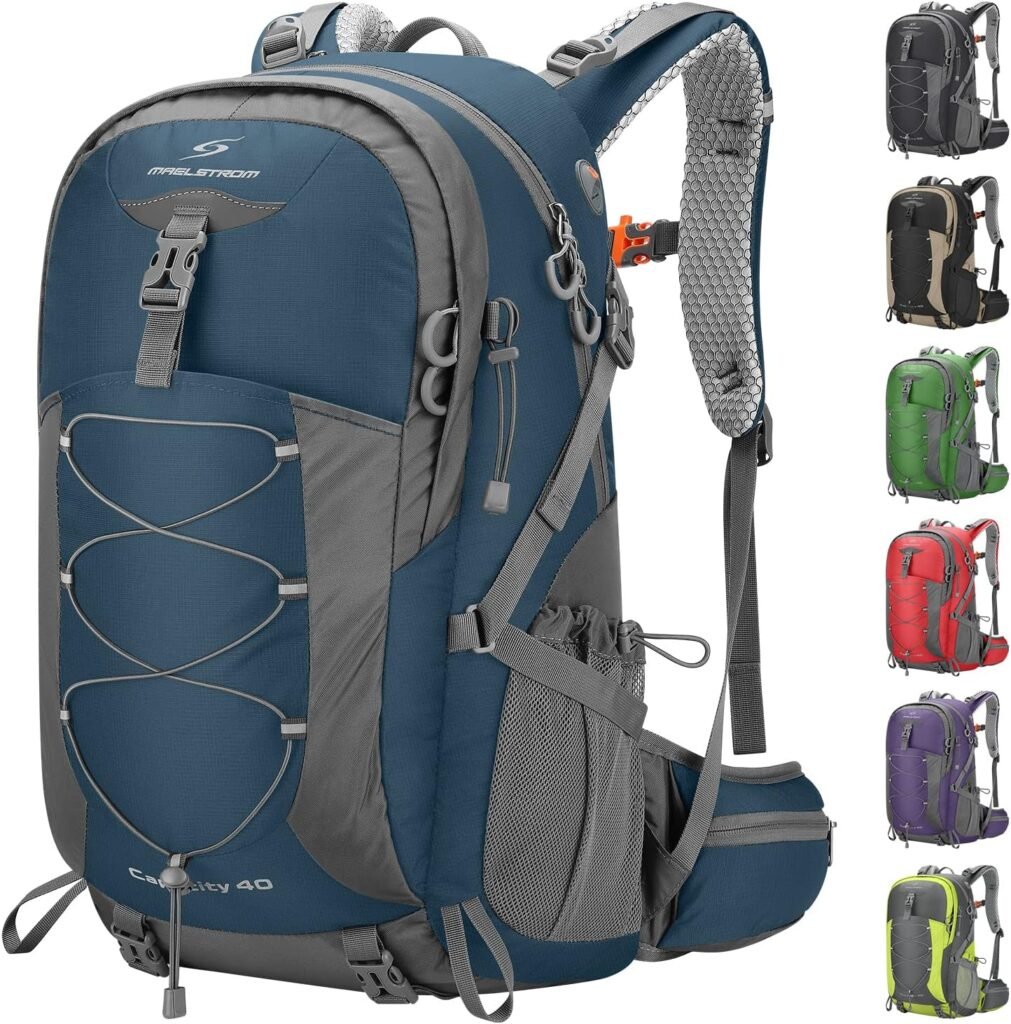
If your adventure involves hiking or backpacking, your backpack becomes one of your most important pieces of equipment.
A good backpack should distribute weight comfortably while providing enough storage for your essential gear.
When choosing a hiking backpack, look for:
- Comfortable shoulder straps
- Adjustable hip belt
- Breathable back panel
- Multiple compartments
- Water bottle pockets
- Durable materials
- Appropriate capacity
For short day hikes, a smaller daypack may be enough. Multi-day backpacking trips require significantly more storage capacity.
9. Hydration & Water Filtration
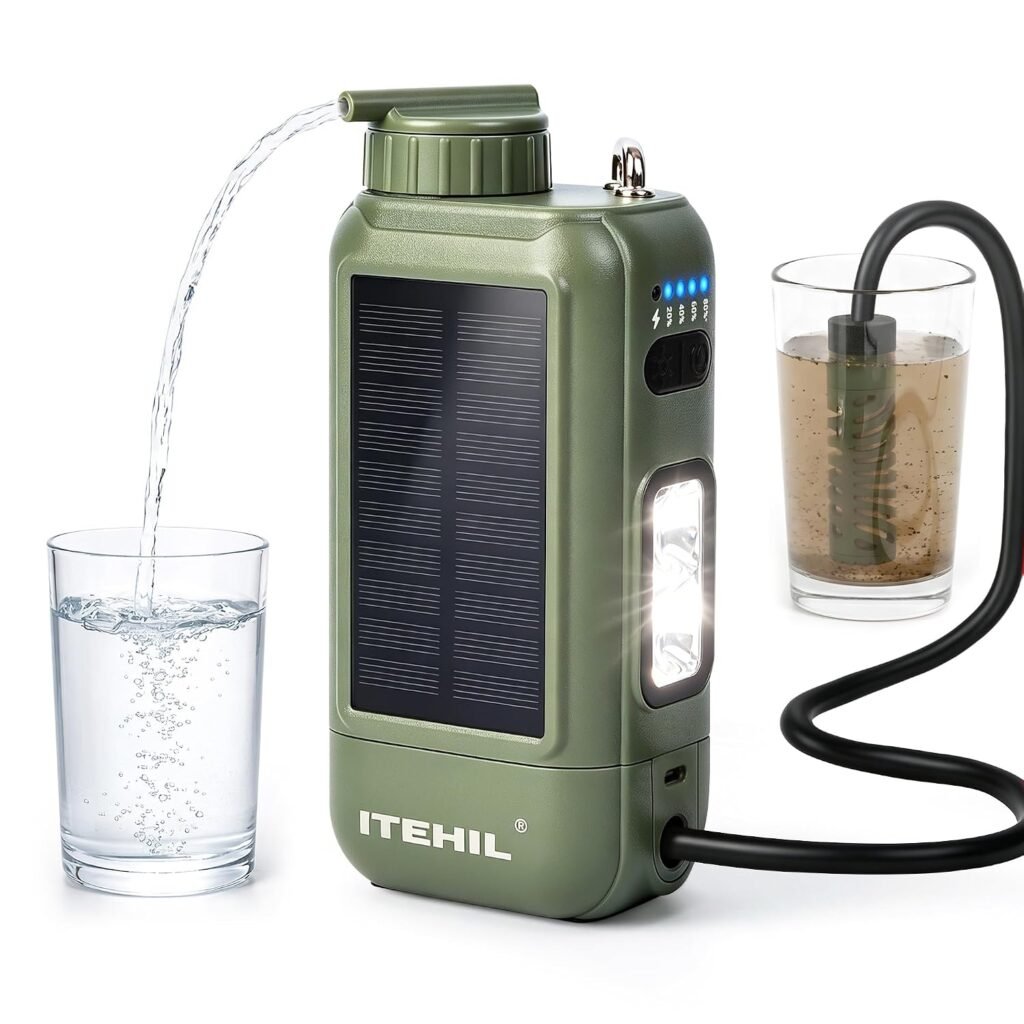
Staying hydrated is one of the most important priorities during any outdoor adventure.
Depending on your destination, you may need to carry enough water for your entire trip or use a water filtration system to safely access natural water sources.
Useful hydration gear includes:
- Reusable water bottles
- Hydration reservoirs
- Water filters
- Portable purification systems
- Collapsible water containers
Always plan your water needs before leaving and understand the conditions of your destination.
10. Camping Tools & Accessories
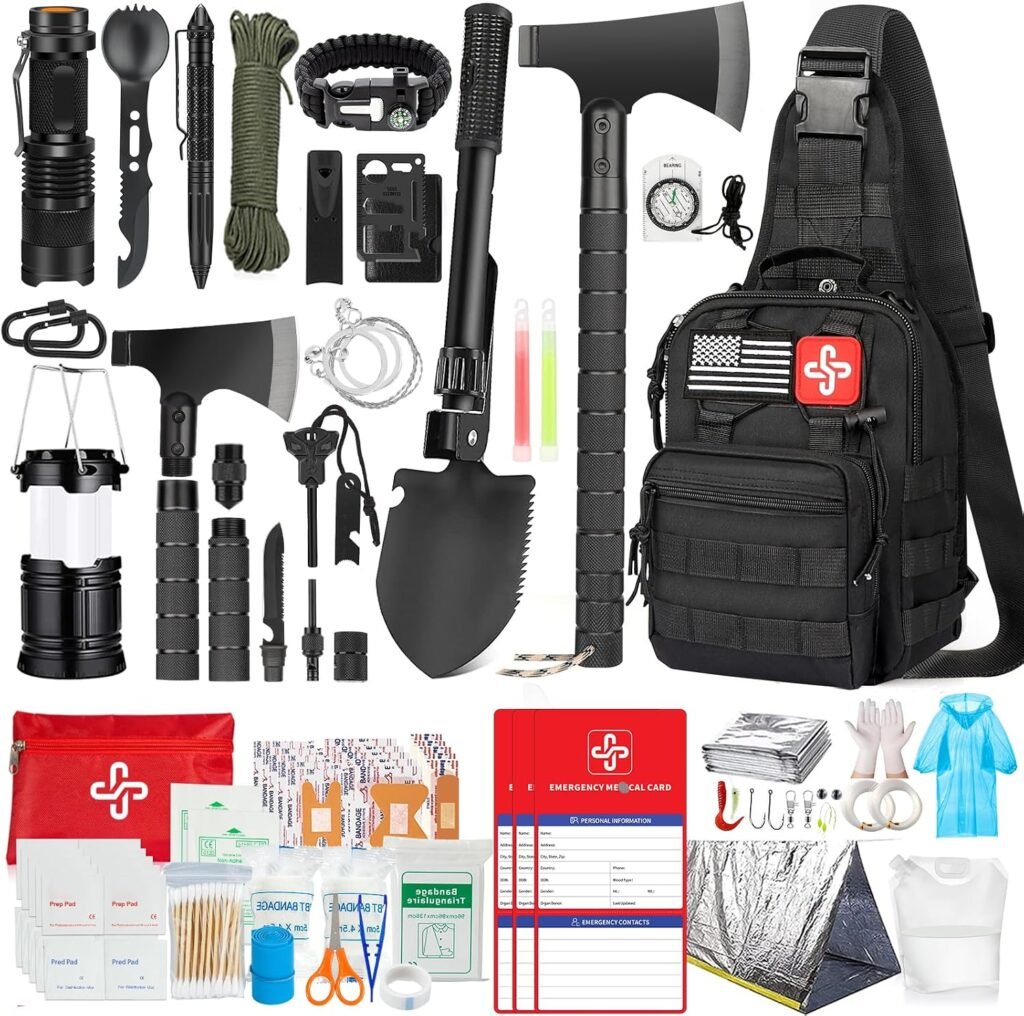
Small accessories can make a surprisingly big difference at the campsite.
Some useful items include:
- Multi-tools
- Camping knives
- Rope and cordage
- Tent stakes
- Mallets
- Tarps
- Carabiners
- Waterproof storage bags
- Duct tape
- Fire-starting tools
You don’t need every accessory available. Focus on equipment that matches your specific camping style and environment.
11. Outdoor Clothing & Footwear
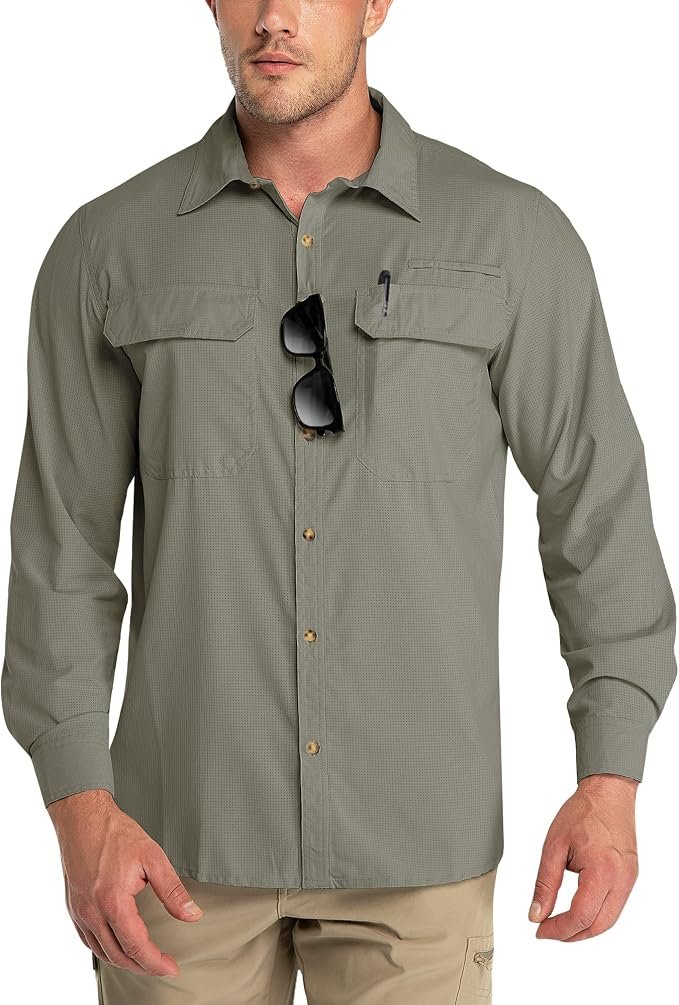
The right clothing can help you stay comfortable when weather conditions change.
Instead of relying on a single heavy layer, consider using multiple layers that can be added or removed depending on the temperature.
A basic outdoor clothing system may include:
- Moisture-wicking base layers
- Insulating layers
- Waterproof jackets
- Hiking pants
- Warm socks
- Hiking boots or trail shoes
- Hats and gloves
Always check the weather forecast before your trip and prepare for conditions that may change unexpectedly.
12. First Aid & Emergency Gear
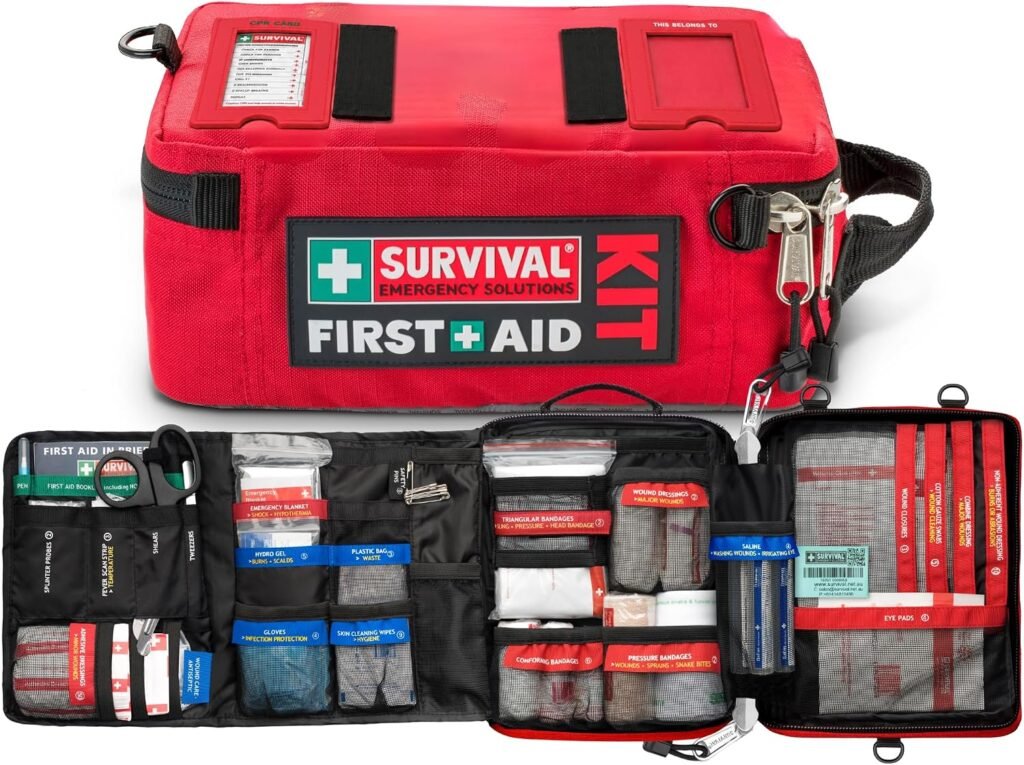
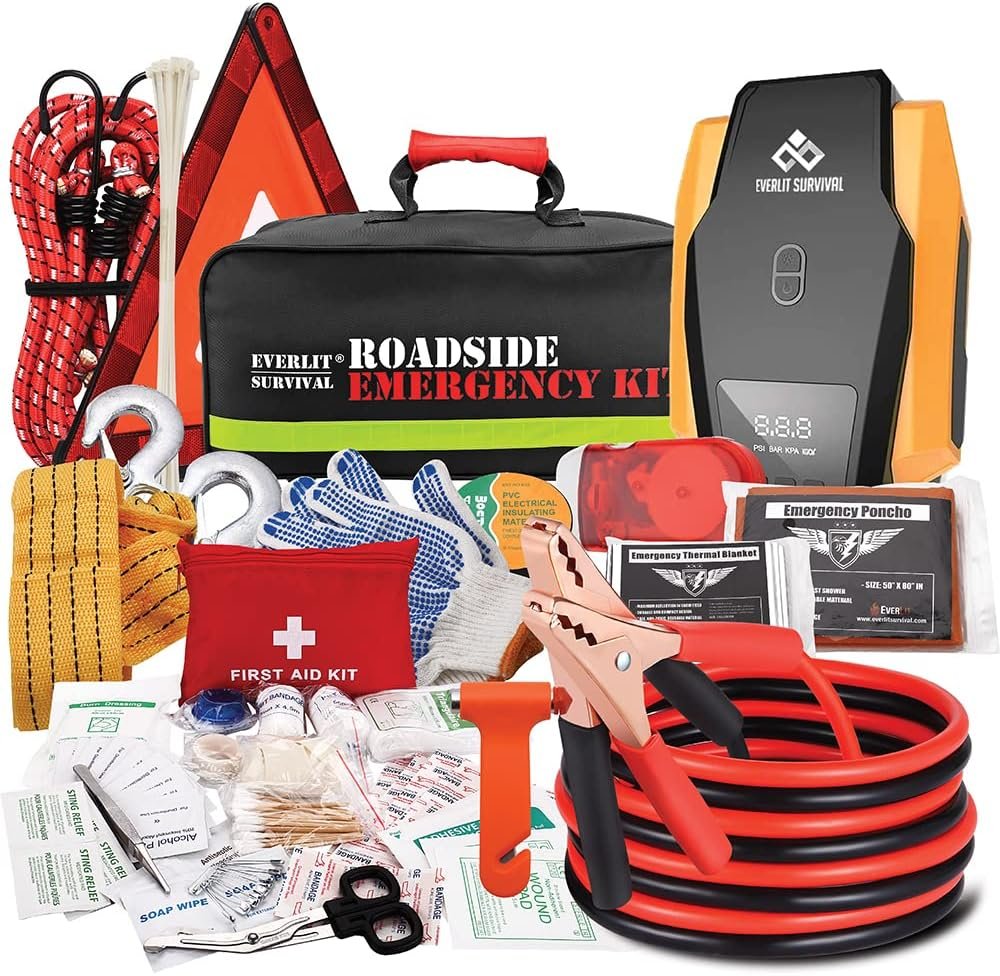
Every camping trip should include basic emergency supplies.
A compact first-aid kit can help you deal with minor cuts, blisters, scrapes, and other common outdoor problems.
Depending on your destination and trip length, you may also want to carry:
- First-aid supplies
- Emergency blankets
- Whistles
- Extra food
- Extra water
- Navigation tools
- Backup lighting
- Portable power banks
For remote adventures, proper preparation becomes even more important.
13. Camping Electronics & Power
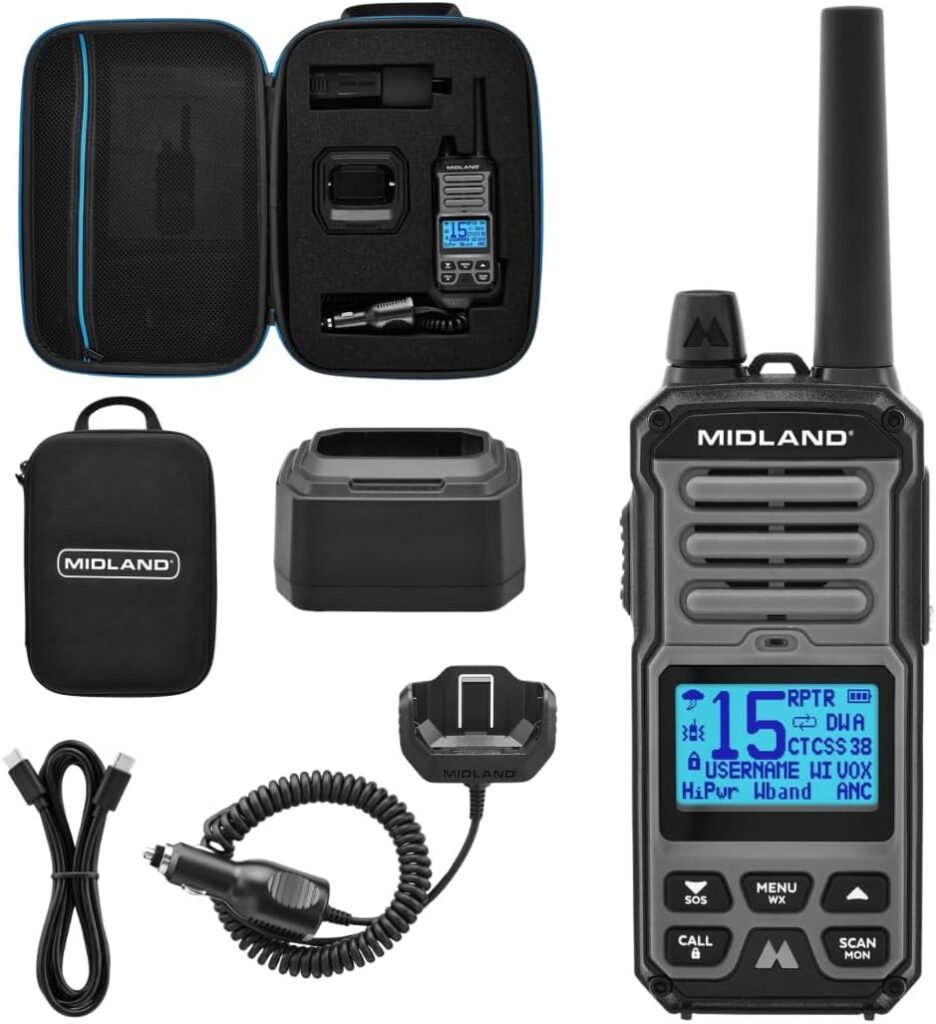
Modern technology can be useful outdoors when used appropriately.
Portable power banks and solar chargers can help keep phones, cameras, GPS devices, and other electronics running during longer trips.
Useful camping electronics may include:
- Portable power banks
- Solar chargers
- GPS devices
- Portable radios
- Rechargeable lanterns
- Waterproof phone cases
Keep in mind that electronics should complement—not replace—basic outdoor skills and preparation.
14. Camping Gear for Families
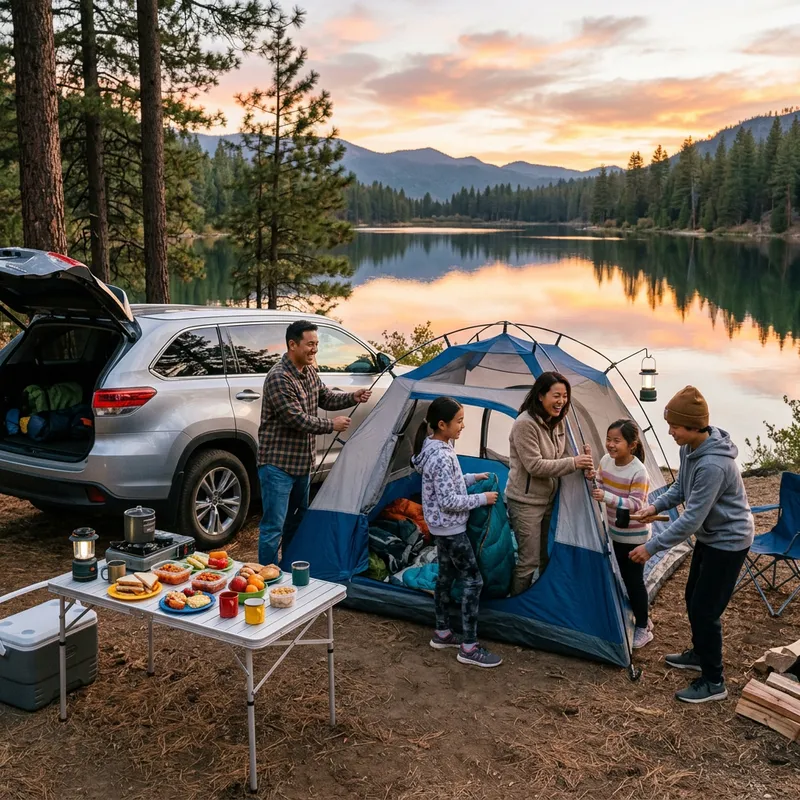
Family camping often requires a slightly different approach.
Comfort, convenience, and organization become more important when camping with children.
Consider bringing:
- A spacious family tent
- Comfortable sleeping systems
- Portable chairs
- A large cooler
- Family-sized cooking equipment
- Extra lighting
- Outdoor games
- Extra clothing
- Additional food and water
A well-organized campsite can make family camping much easier and more enjoyable.
15. Car Camping vs. Backpacking Gear
Your camping style should determine the equipment you buy.
Car Camping
Car camping allows you to bring larger and heavier equipment.
You can prioritize:
- Comfort
- Large tents
- Thick mattresses
- Large coolers
- Full-size camping chairs
- Larger cooking equipment
Backpacking
Backpacking requires a much more minimalist approach.
Weight and packability become critical.
Backpackers generally prioritize:
- Lightweight tents
- Compact sleeping bags
- Lightweight sleeping pads
- Compact cooking systems
- Lightweight backpacks
- Portable water filters
The best gear is not necessarily the most expensive gear. It’s the equipment that fits your specific adventure.
How to Choose the Best Camping Gear
Before buying camping equipment, ask yourself a few simple questions.
Where will I use it?
A product designed for warm-weather camping may not be appropriate for cold or wet environments.
How often will I use it?
If you’re an occasional camper, you may prioritize affordability. Frequent campers may benefit from investing in durable, higher-quality equipment.
How much space do I have?
Car campers have more flexibility than backpackers. If you’re carrying everything on your back, every ounce matters.
What is my budget?
There are excellent products available at many different price points. Focus on the features that matter most to your particular needs.
Is it durable?
Outdoor equipment can experience rain, dirt, wind, rough surfaces, and repeated use. Durability is an important consideration when comparing products.
Essential Camping Gear Checklist
Before leaving for your next adventure, use this basic checklist:
Shelter
- Tent
- Tent footprint
- Stakes
- Sleeping bag
- Sleeping pad
Cooking
- Camping stove
- Fuel
- Cookware
- Utensils
- Plates and cups
- Cooler
- Food storage containers
Lighting
- Lantern
- Headlamp
- Flashlight
- Extra batteries or charging equipment
Clothing
- Weather-appropriate clothing
- Hiking footwear
- Extra socks
- Rain jacket
- Warm layers
Navigation & Safety
- First-aid kit
- Navigation device or map
- Emergency supplies
- Whistle
- Extra food and water
Personal Items
- Water bottle
- Sunscreen
- Insect protection
- Toiletries
- Phone
- Portable power bank
Final Thoughts
The best camping gear isn’t necessarily the most expensive equipment on the market.
The right gear is equipment that matches your destination, camping style, experience level, and personal needs.
Start with the essentials—shelter, sleeping equipment, food and water, lighting, clothing, and safety gear—and build your camping setup over time.
Whether you’re preparing for your first weekend outdoors or planning your next major backpacking adventure, having reliable equipment can help you spend less time worrying about your gear and more time enjoying the outdoors.
Ready for Your Next Adventure?
Explore our camping gear recommendations and discover equipment designed to make your next outdoor adventure more comfortable, organized, and enjoyable.
→ Explore Our Recommended Camping Gear
Affiliate Disclosure
This website participates in affiliate marketing programs, including the Amazon Associates Program. This means we may earn a commission when you purchase products through qualifying links on our website, at no additional cost to you.
Our goal is to provide useful information and help you make informed purchasing decisions. Product availability, prices, ratings, and specifications may change over time.
Amazon and the Amazon logo are trademarks of Amazon.com, Inc. or its affiliates.