

Disclosure: As an Amazon Associate, 1WAYCAMPING may earn from qualifying purchases made through links in this article, at no extra cost to you.
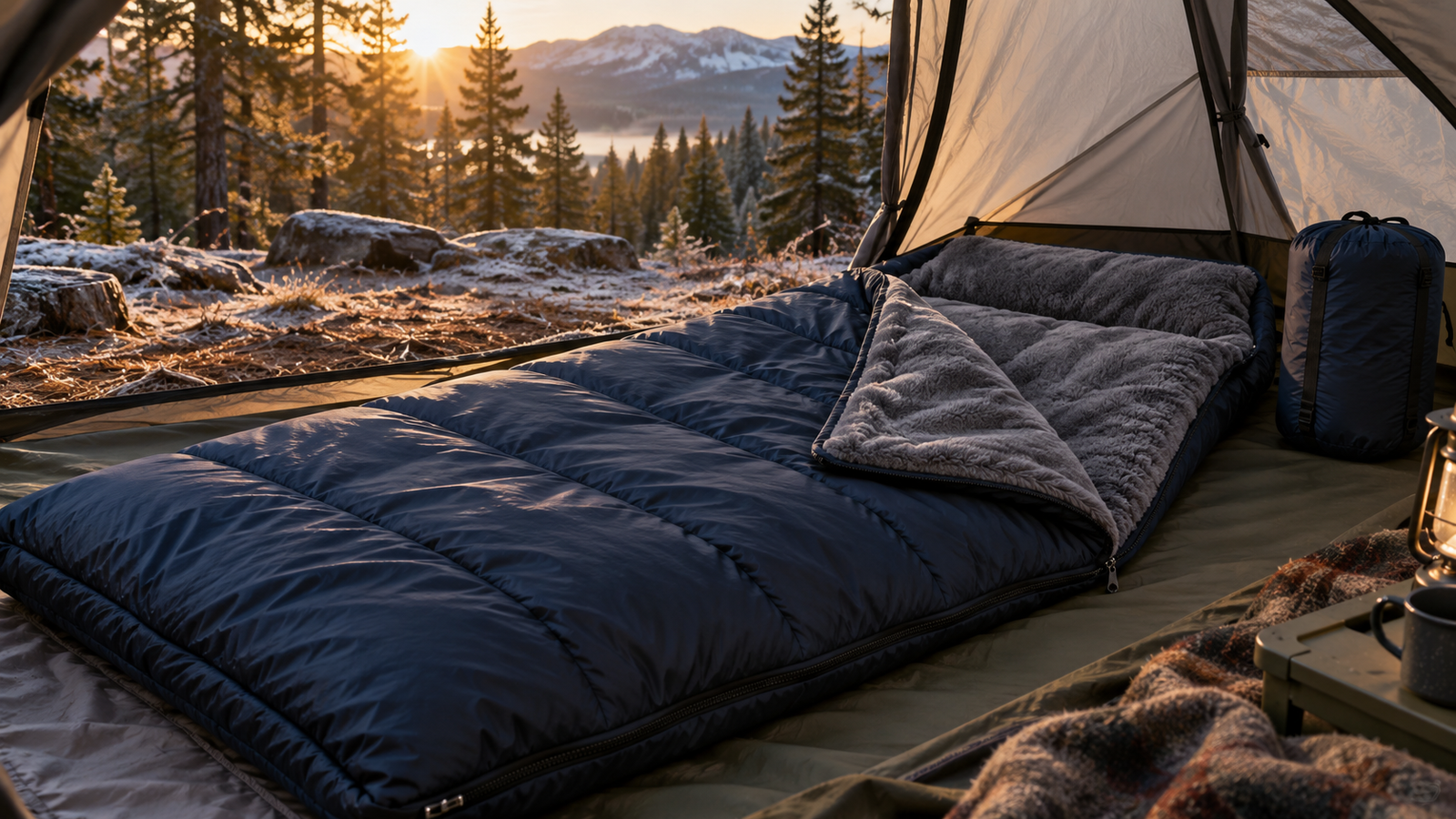
A warm sleeping bag can make the difference between enjoying a chilly camping trip and spending the entire night waiting for sunrise. The FARLAND fleece-lined sleeping bag is designed for campers who prioritize softness, warmth, and roomy comfort over ultralight performance. With a plush Microplush fleece lining, thick synthetic insulation, and a weather-resistant outer shell, it is aimed mainly at car camping, cabins, road trips, and other adventures where comfort matters more than shaving every ounce from your pack.
FARLAND Fleece-Lined Sleeping Bag: Quick Verdict
The FARLAND is a strong option for recreational campers who want a cozy rectangular sleeping bag for cool nights. Its soft interior and generous dimensions make it more inviting than many basic polyester-lined bags. However, its approximately 4.3-pound weight and bulky insulation make it better suited to car camping than long-distance backpacking. The advertised temperature figures should also be treated as general manufacturer guidance, because personal comfort varies with clothing, sleeping pad insulation, humidity, wind, and metabolism.
Key Specifications
- Dimensions: approximately 86.6 × 32.7 inches
- Recommended user height: designed to accommodate many adults and teenagers, including users up to about 6 feet tall
- Outer material: 290T nylon described by the manufacturer as water-resistant and wind-resistant
- Lining: soft Microplush fleece
- Insulation: 400 g/m² silk-like synthetic cotton filling
- Advertised comfort range: approximately 32°F to 50°F
- Advertised lower limit: 14°F under suitable conditions
- Weight: approximately 4.3 pounds
- Packed size: approximately 9.1 × 13.8 inches
- Included accessory: compression sack
Warm Fleece-Lined Interior
The standout feature is the Microplush fleece lining. Instead of the cool, slippery feel common in inexpensive sleeping bags, the interior is designed to feel more like a soft blanket. That can be especially welcome when temperatures fall after sunset or when you climb into the bag after changing out of damp outdoor clothing.
The 400 g/m² synthetic fill adds loft around the body and continues to insulate better than untreated down if minor moisture enters the tent. Synthetic insulation is also generally easier to maintain for casual campers. The tradeoff is that it weighs more and packs larger than a comparable lightweight down bag.
Temperature Rating: What Campers Should Know
FARLAND advertises a useful range of roughly 32°F to 50°F, with 14°F identified as a lower limit. A lower-limit number should not be interpreted as a guaranteed comfort temperature. Unless a sleeping bag has a clearly documented standardized ISO or EN laboratory rating, temperature claims are best used as a general comparison rather than an exact promise.
For most campers, this bag appears most appropriate for cool spring and fall nights around or above freezing when paired with an insulated sleeping pad, dry base layers, and suitable shelter. At colder temperatures, experienced campers should add insulation and always check the overnight forecast. Cold sleepers may need additional protection even when the temperature remains inside the advertised range.
Roomy Rectangular Comfort
At about 86.6 inches long and 32.7 inches wide, the FARLAND offers more freedom of movement than a narrow mummy bag. Side sleepers and campers who dislike feeling confined may appreciate being able to shift positions more naturally. The rectangular design also makes it practical for indoor guests, cabins, RVs, emergency preparedness, and sleepovers.
The same spacious shape is less thermally efficient than a close-fitting mummy design because your body must warm more unused air. Campers who prioritize maximum heat retention at minimum weight may prefer a mummy-style sleeping bag. For car campers seeking a bed-like feel, however, the extra room can be worth the compromise.
Weather-Resistant Outer Shell
The 290T nylon shell is designed to resist light moisture, morning dew, and wind. This can help protect the insulation from ordinary campsite conditions, but the bag should not be treated as fully waterproof. It is still important to use a tent, bivy, or other proper shelter during rain and to keep the sleeping bag away from wet tent walls.
After a humid night, air the sleeping bag before packing it. Storing any insulated bag while damp or tightly compressed can encourage odors, reduce loft, and shorten its useful life.
Portability and Storage
The included compression sack makes the FARLAND easier to load into a vehicle or store with other camping gear. Its approximate 4.3-pound weight is reasonable for car camping, family trips, and short walks from the parking area, but it is heavy for multi-day backpacking. Hikers counting ounces should consider a lighter and more compact model.
Use the compression sack for transportation, not permanent storage. At home, keep the bag loosely stored in a large breathable sack or laid flat in a dry space. Allowing the insulation to remain expanded helps preserve loft.
Who Is This Sleeping Bag Best For?
- Car campers who value warmth and softness
- Adults and teenagers who prefer a roomy rectangular bag
- RV, cabin, and van travelers
- Campers preparing for cool spring or fall nights
- Households wanting a versatile bag for guests or emergencies
It is less suitable for ultralight backpackers, very wet environments without dependable shelter, or winter expeditions where a sleeping bag with a verified standardized cold-weather rating is essential.
Pros and Cons
Pros
- Soft fleece lining feels warm when first entering the bag
- Thick synthetic insulation for cool-weather use
- Roomy rectangular shape
- Water- and wind-resistant outer fabric
- Compression sack included
- Useful for camping, RV travel, cabins, and home emergencies
Cons
- Heavier than most backpacking bags
- Fleece lining can take longer to dry
- Rectangular shape retains less heat than a fitted mummy bag
- Lower temperature claim should not be confused with a verified comfort rating
Tips for Better Cold-Weather Performance
- Use an insulated sleeping pad. The ground can draw away more heat than the surrounding air.
- Change into dry clothing. Moisture trapped in base layers can make you feel colder.
- Wear a clean hat and socks. Small adjustments can noticeably improve comfort.
- Do not bury your face inside the bag. Exhaled moisture can dampen the insulation.
- Ventilate when necessary. Overheating causes perspiration, which can later make you cold.
- Test the setup safely. Try the bag near home before relying on it during a remote cold-weather trip.
Frequently Asked Questions
Is the FARLAND sleeping bag suitable for winter?
It is marketed for cold-weather camping, but conditions vary widely. It may work for many cool or near-freezing nights with an insulated pad and proper clothing. For severe winter conditions, choose a bag with a standardized rating appropriate for the expected temperature and maintain a generous safety margin.
Is it good for backpacking?
It can be carried over short distances, but its weight and bulk make it better for car camping than long-distance backpacking. Lightweight hikers will likely prefer a down or compact synthetic mummy bag.
Is the sleeping bag waterproof?
The nylon shell is described as water-resistant, which may help with light moisture and dew. It is not a substitute for a waterproof shelter and should not be exposed to sustained rain.
How should it be stored?
Make sure it is completely dry, then store it loosely in a breathable bag or laid flat. Reserve the compression sack for travel to protect the insulation’s loft.
Final Verdict
The FARLAND fleece-lined sleeping bag combines a soft, blanket-like interior with thick synthetic insulation and a roomy rectangular shape. It is particularly appealing for car campers and road travelers who want dependable comfort on cool nights without paying for an ultralight technical bag. Its weight and bulk limit its backpacking appeal, and cautious campers should treat the advertised 14°F figure as a survival-oriented lower limit rather than a normal comfort target.
If your priorities are softness, space, and convenient cold-weather camping performance, the FARLAND deserves consideration. Compare the current specifications, color options, availability, and price before choosing the version that best fits your trips.
Leave a Reply
You must be logged in to post a comment.