

Disclosure: As an Amazon Associate, 1 Way Camping may earn from qualifying purchases made through links in this article, at no extra cost to you.
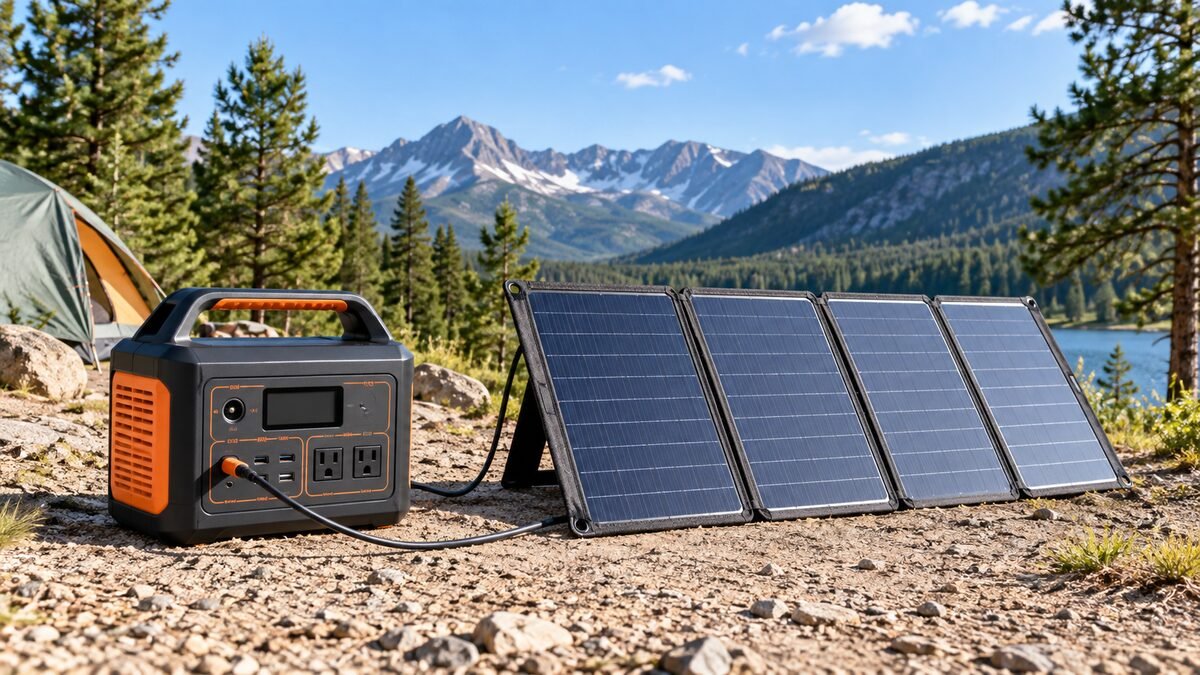
A compact power station can make car camping more comfortable without the noise, fuel, or fumes of a gasoline generator. This 300W portable solar generator kit combines a 280Wh power station with a 60W foldable solar panel, giving campers a practical way to recharge phones, lights, cameras, laptops, and other modest devices away from an outlet.
This review is based on the specifications shown in the seller listing rather than a hands-on test. The listing does not clearly identify a manufacturer, so shoppers should verify the current seller, warranty, battery chemistry, included accessories, and package contents before ordering.
300W Portable Solar Generator: At a Glance
- Rated output: 300W
- Battery capacity: 280Wh
- Included solar panel: 60W foldable panel
- AC output: 110V pure sine wave
- Connections: AC, USB, and DC outlets
- Best suited for: car camping, short outages, road trips, and charging electronics
Understanding 280Wh Capacity and 300W Output
The two headline numbers describe different things. The 300W rating indicates how much power the inverter can supply at one time. The 280Wh capacity describes how much energy the battery stores. A device may use fewer than 300 watts and still drain the battery quickly if it runs for hours.
Real usable energy is normally lower than the printed capacity because the inverter and electronics consume some power. A simple estimate is usable watt-hours divided by the device wattage. For example, a 50W appliance might run for roughly four to five hours under favorable conditions, but temperature, conversion losses, battery age, and other connected devices can shorten that figure.
What Can It Power While Camping?
A 300W unit is designed for electronics and smaller camping essentials. It should be a useful match for smartphones, tablets, LED lanterns, action cameras, rechargeable headlamps, drone batteries, many laptops, small fans, and certain low-power CPAP machines. Always check the starting and continuous wattage of a device before connecting it.
This is not a replacement for a high-capacity home backup system. Electric heaters, kettles, hair dryers, hot plates, coffee makers, air conditioners, and other heat-producing appliances commonly exceed 300W. Some equipment also has a startup surge that is much higher than its normal operating draw.
How Useful Is the Included 60W Solar Panel?
The bundled foldable panel is the feature that turns the battery into a solar generator. In ideal mathematics, a 60W panel would need about 4.7 peak-sun hours to produce 280Wh. Actual charging takes longer because panels rarely deliver their full rated output all day. Clouds, shade, panel angle, heat, cable losses, and the power station charging circuit all affect performance.
For best results, unfold the panel completely, point it toward direct sun, and reposition it as the sun moves. Treat solar as a way to extend a trip or refill the battery during a bright day, not as a guarantee of unlimited electricity. Verify that the supplied connector and voltage range match the power station before use.
Why Pure Sine Wave Output Matters
The listing describes a 110V pure sine wave AC output. Pure sine wave inverters provide smoother electricity than modified sine wave models and are generally the better choice for laptops, audio equipment, medical devices, and electronics with sensitive power supplies. The label does not remove the need to stay within the inverter limit, but it is a valuable feature in a compact camping unit.
Portability and Campsite Convenience
A 280Wh station occupies a useful middle ground: larger than a power bank but easier to transport than a full-size backup battery. It is best for car camping, RV day trips, tailgating, and emergency kits. Backpackers will usually find a power station and 60W panel too bulky compared with a small USB battery bank.
Multiple outlet types also help a family share power. USB ports can handle phones and lights while AC or DC outlets serve compatible equipment. Add the wattage of everything running at the same time and leave a safety margin below the 300W rating.
Charging Options and Setup Tips
Most portable stations in this class support wall charging, solar charging, and sometimes vehicle charging, but buyers should confirm the methods included with this exact package. Charge the unit fully before leaving home, test every device you intend to use, and pack the correct cables. A short home test is much easier than troubleshooting at a remote campsite.
Keep the station dry, ventilated, and away from direct heat. Do not place it inside a sealed container while charging or powering equipment. The solar panel may tolerate outdoor use differently from the battery unit, so never assume the power station itself is waterproof.
Pros and Cons
Pros
- Power station and foldable solar panel are offered as one kit
- 300W output covers many everyday camping electronics
- 280Wh capacity is suitable for short trips and emergency charging
- Pure sine wave AC power is friendly to sensitive electronics
- USB, DC, and AC connections add flexibility
- Silent operation with no gasoline or exhaust
Cons
- Not suitable for high-wattage cooking or heating appliances
- A 60W panel can require most of a sunny day for a substantial recharge
- Actual runtime depends heavily on the connected load
- Manufacturer information is not clearly presented in the listing
- Battery chemistry and warranty details should be confirmed before purchase
Who Should Buy This Solar Generator Kit?
This kit makes the most sense for campers who want quiet, portable power for communication, lighting, photography, laptop work, and other modest needs. It can also serve as a basic household emergency charger during a short outage. Buyers planning to run appliances above 300W should choose a larger station with more output and capacity.
Final Verdict
The combination of a 280Wh battery, 300W inverter, pure sine wave AC output, and 60W foldable panel is appealing for car campers who mainly need to keep personal electronics running. Its limits are just as important as its strengths: it is a compact charging solution, not a whole-campsite electrical system.
Before buying, check the latest Amazon listing for the exact battery chemistry, port specifications, solar input limits, warranty, seller identity, and included cables. If those details meet your needs and your devices remain comfortably below 300W, this package may be a convenient entry-level solar power option.
Leave a Reply
You must be logged in to post a comment.