

Disclosure: This post contains affiliate links. As an Amazon Associate, 1 Way Camping may earn a commission from qualifying purchases at no extra cost to you.
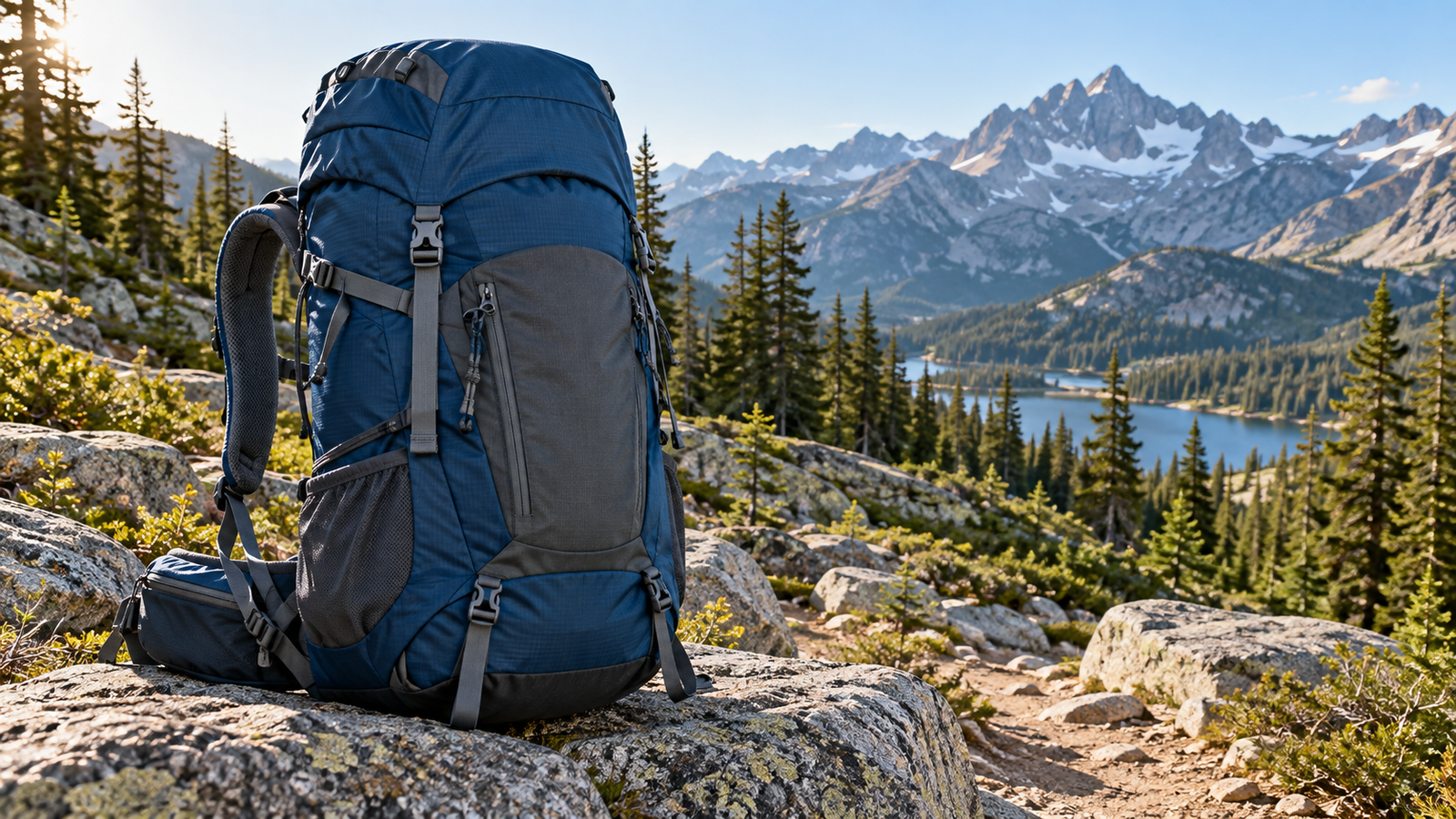
The ASWRTYJO 50L mountaineering backpack is designed for hikers and campers who need more storage than a small daypack without moving into the oversized expedition category. Its listed 50-liter capacity, reinforced padded straps, large main compartment, water-resistant construction, and multiple exterior storage areas make it suitable for weekend camping, trekking, climbing approaches, travel, and other gear-intensive outdoor activities.
Current related listings describe 50-liter configurations with dimensions that vary by version, including approximately 22 × 14 × 9 inches and 24.8 × 11 × 7.5 inches. Because the Amazon page offers variants, buyers should confirm the measurements, color, and configuration currently selected before ordering. This review focuses on the practical benefits and limitations of the 50-liter version identified in the supplied listing.
Check the ASWRTYJO 50L Backpack price and availability on Amazon
ASWRTYJO 50L Backpack at a Glance
- Listed capacity: 50 liters
- Intended use: hiking, camping, trekking, climbing approaches, and travel
- Comfort: reinforced, thickened shoulder straps and padded back area
- Storage: large main compartment with exterior pockets and attachment points
- Material: nylon-based fabric described as tear-resistant
- Weather protection: marketed as waterproof, but best treated as water-resistant
- Trip length: generally appropriate for weekends or several days with compact equipment
Is 50 Liters Enough for Camping?
Fifty liters occupies a useful middle ground between a daypack and a large expedition backpack. It can accommodate a compact sleeping bag, lightweight shelter, sleeping pad, spare layers, food, cookware, water-treatment equipment, and personal essentials when the equipment is selected carefully. For many campers, it provides enough flexibility for a weekend without the excessive bulk of an 80- or 100-liter pack.
The actual trip length depends more on equipment volume than the number of days. A bulky synthetic sleeping bag, large tent, winter clothing, or equipment for another person can fill 50 liters quickly. Ultralight or compact equipment leaves more room for food and changing weather layers.
Before a trip, place every item on the floor, remove duplicates, and pack the backpack completely. If essential equipment must hang loosely from every external strap, the load may need to be reduced or a larger pack may be more appropriate.
Storage and Outdoor Organization
A large main compartment is useful for bulky items such as a sleeping bag, clothing, and food bag. Smaller exterior areas help keep frequently used equipment—snacks, gloves, maps, headlamps, or first-aid supplies—accessible without unloading the entire pack. Side pockets can be used for bottles or items that fit securely.
Compression straps serve two purposes. They help reduce unused volume when the pack is only partly full, and they limit load movement on uneven trails. Tighten them evenly, but avoid excessive force that may damage buckles or place unnecessary tension on seams.
Any equipment attached outside the pack should be light and secured at multiple points. A loose sleeping pad, jacket, or trekking accessory can swing while walking, catch on vegetation, and pull the wearer off balance.
Reinforced Straps and Carrying Comfort
The supplied product title emphasizes thickened, reinforced straps. Padding can reduce pressure, but comfort depends on more than softness. Shoulder-strap shape, torso length, waist-belt position, back-panel structure, and total load determine how the backpack feels after several hours.
Place dense items close to the back and near the middle of the torso. Keep hard objects away from direct contact with the back panel, balance weight between both sides, and use clothing to fill empty spaces. The waist belt should rest over the hip bones so the hips can support part of the load.
Test the pack at home with the expected trail weight. Walk, climb stairs, and adjust the straps gradually. Stop if the load produces numbness, persistent pressure, or instability. A backpack that does not match the user’s torso cannot be corrected simply by tightening every strap.
Water Resistance and Fabric Care
Related listings describe tear-resistant nylon and waterproof performance. In practical use, a zippered hiking backpack should be considered water-resistant unless the seams, closures, and fabric have a clearly stated waterproof rating. Light rain may bead on the outer material, while prolonged rain can enter through zippers and stitched areas.
Use a pack cover during sustained rain and protect sleeping gear, electronics, documents, medication, and insulating clothing inside dry bags or a sealed pack liner. This approach adds dependable protection without relying entirely on the backpack shell.
Clean dirt from zippers and buckles after each trip, allow the pack to dry completely before storage, and avoid leaving it in direct sunlight for long periods. Inspect shoulder-strap anchors and compression-strap stitching before carrying a heavier load.
Best Uses for This 50L Backpack
- Weekend camping: enough space for a compact sleep system, shelter, clothing, and cooking supplies.
- Long day hikes: useful for cold-weather layers, camera equipment, or group supplies.
- Mountaineering approaches: capacity for bulky clothing and equipment before reaching technical terrain.
- Travel: organizes outdoor clothing and equipment, although it may exceed some airline carry-on limits.
- Preparedness storage: can hold emergency essentials if the completed load remains portable.
Pros and Cons
Pros
- Versatile 50-liter capacity
- More manageable than a very large expedition pack
- Reinforced padded straps
- Multiple storage and attachment options
- Suitable for camping, trekking, travel, and preparedness
- Compression straps help stabilize the load
- Nylon construction is described as tear-resistant
Cons
- Too large for ordinary short day hikes
- Variant dimensions may differ
- Fit information appears limited
- Should not be assumed completely waterproof
- Can become uncomfortable when overloaded
- May not meet airline carry-on limits
- Not a substitute for a professionally fitted technical climbing pack
Frequently Asked Questions
Is the ASWRTYJO 50L suitable for overnight camping?
Yes, when the shelter and sleeping equipment are reasonably compact. Bulky winter gear or shared group equipment may require more capacity.
Is it completely waterproof?
It should be treated as water-resistant rather than submersible. Use a rain cover and internal dry storage when important equipment must remain dry.
Can it be used as a daypack?
It can, especially for winter hiking or carrying group equipment, but 50 liters is larger than necessary for most warm-weather day hikes.
How should a 50L backpack be loaded?
Keep dense items close to the back, balance both sides, place frequently used items where they remain accessible, and tighten compression straps after packing.
Final Verdict
The ASWRTYJO 50L mountaineering backpack offers a practical capacity for campers and hikers who need more room than a daypack but want to avoid the size of an expedition rucksack. Its reinforced straps, outdoor-oriented organization, compression features, and large compartment make it potentially useful for weekend trips and gear-heavy activities.
Its value depends on fit and realistic load management. Buyers should verify the selected variant’s dimensions and avoid treating waterproof marketing as a guarantee against sustained rain. When packed carefully and protected with internal dry storage, it can serve as a versatile mid-size camping and trekking backpack.
Check Price and Availability for the ASWRTYJO 50L Backpack on Amazon
Leave a Reply
You must be logged in to post a comment.