

Disclosure: As an Amazon Associate, 1 Way Camping earns from qualifying purchases through links in this article, at no additional cost to you.
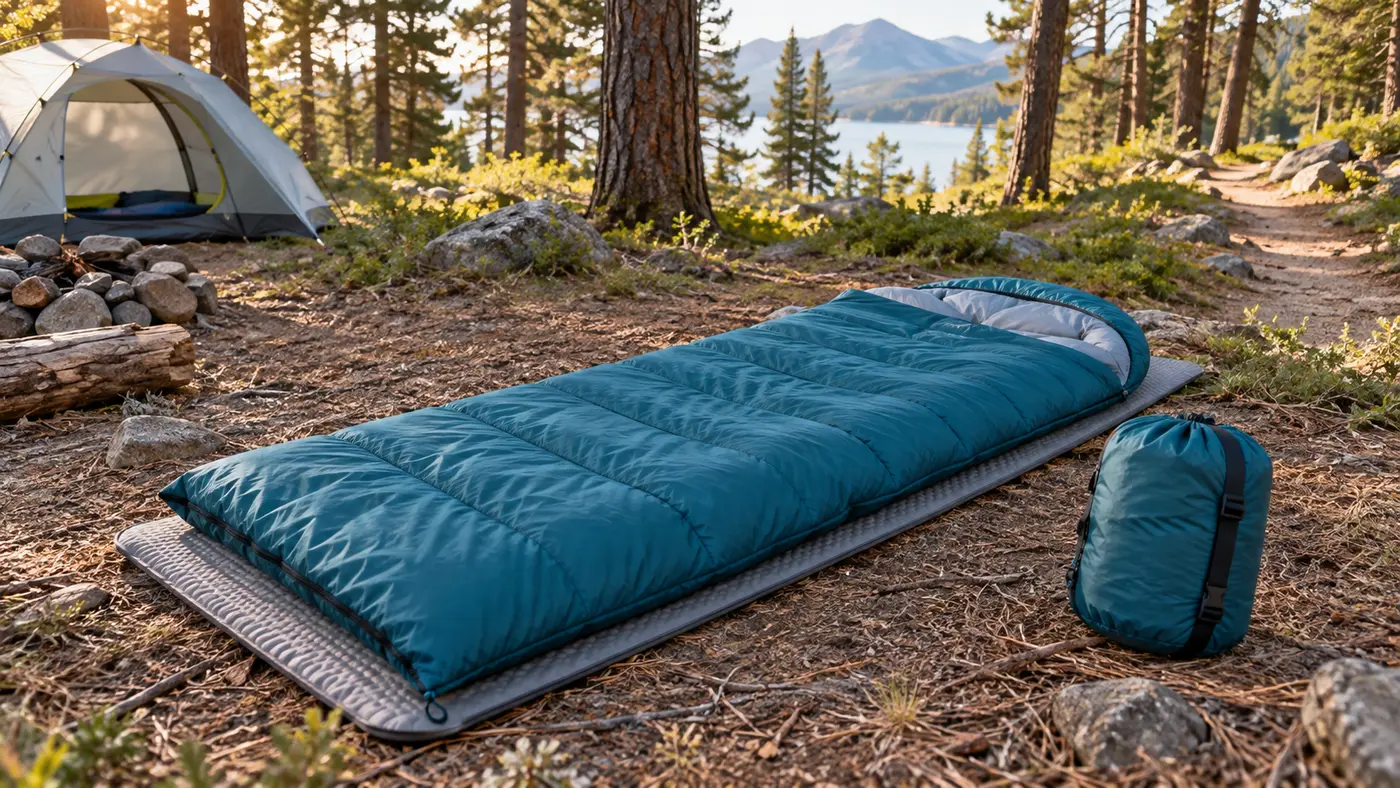
This Sportneer sleeping bag review examines the three-season model linked under Amazon ASIN B0DQNPR4VD. The supplied listing describes a bag for adults and younger campers, with a compression sack for transport. Its appeal is a straightforward camping sleep system, but the purchase decision should depend on fit, nighttime temperatures, and how far you will carry it.
This is a listing-based assessment, not a hands-on test. We have not measured warmth, packed volume, zipper durability, or drying time. The discussion below separates advertised features from practical buying considerations so you can judge whether this model fits your trip.
Check the Sportneer sleeping bag options on Amazon. Match the selected size and temperature option to your needs before ordering.
Sportneer Sleeping Bag Review: The Short Verdict
Consider this model for family campgrounds, sleepovers, cabin trips, and recreational camping when the selected version’s temperature guidance suits the forecast. The included compression sack is a useful transport feature. However, neither the word “lightweight” nor the three-season label establishes how well it suits a long backpacking route.
For a trip where pack weight or cold-night performance is critical, compare verified specifications first. Without a confirmed packed weight and clearly explained temperature rating for your selected option, a confident backpacking or cold-weather recommendation would go beyond the available evidence.
Advertised Features and What They Mean
Three-season positioning: The original supplied listing describes spring, summer, and fall use. This seasonal label is broad. A mild summer campground and an exposed autumn campsite can require very different insulation.
Adults and younger campers: The listing markets the bag to adults, boys, and girls. That describes the intended audience; it does not mean one size fits every person. Check usable sleeping length and shoulder room for the actual sleeper.
Compression sack: The supplied description includes a compression sack. It helps organize the bag during travel, but it does not tell us its compressed volume. Confirm inclusion for the option in your basket.
Lightweight marketing: The listing uses this term without a verified weight in our original source. Treat the actual weight in pounds or kilograms as the useful comparison, especially if you plan to carry the bag all day.
Temperature: Choose the Version, Not the Season Label
Start with the expected overnight low at your campsite. Then check the exact temperature option on the product page. Determine whether the seller is describing comfort, a lower limit, or a general marketing range. These descriptions should not be treated as interchangeable.
We could not confirm a standardized comfort rating for this exact option from a primary product source during this update. Consequently, this review does not assign it a specific safe minimum temperature or present it as winter equipment. If the listing is unclear, ask Sportneer to explain the rating before planning a cold trip.
Your sleeping pad also matters. Insulation beneath your body compresses, so the ground-facing part of a bag does not provide the same protection as the loft above you. Use a pad suitable for the conditions and consider the complete sleep system, including shelter and dry clothing.
Fit: What to Check for Adults and Children
Compare the listed dimensions with a sleeping bag you already find comfortable. Overall length may include the hood; check whether the seller gives usable body length separately. Shoulder width also matters for side sleepers and anyone who likes room to move.
At home, lie inside the bag with the clothes you expect to wear at camp. Close the zipper, bend your knees, and roll onto your side. Check for pulling at the feet and shoulders. These simple checks are more useful than relying on an “adult” label alone.
For a child, check that the fit and closures suit their age and ability. An adult-length bag may leave substantial empty space. A dedicated youth size may be a better fit, depending on the child. Try the equipment before the trip rather than assuming shared family sizing will work.
Car Camping or Backpacking?
For car camping, a compression sack and manageable storage are convenient, while small weight differences may be less important. Fit, care instructions, and the selected temperature option deserve more attention. The same bag may also serve as cabin or sleepover bedding.
For backpacking, weigh the delivered bag together with its sack and see whether it fits inside your pack alongside the rest of your gear. Keep it protected from rain during transport. A compression sack should not be assumed to be waterproof unless the product information explicitly confirms it.
To compare alternatives, read our sleeping bag comparison for camping. Use the options as a starting point, then compare the precise versions you would purchase. A product name alone can cover different sizes or insulation choices.
Potential Advantages and Tradeoffs
Reasons to consider it: The advertised compression sack simplifies transport, and the broad camping-and-sleepover positioning may suit households looking for a multipurpose bag. These are design and use-case advantages rather than results from field testing.
Reasons to compare further: The original information does not establish exact weight, packed dimensions, or a standardized comfort rating. We also cannot confirm the fill composition for this option. Those gaps matter most for buyers choosing equipment for cold nights or long-distance hiking.
The buying decision comes down to three questions: does the selected bag fit the sleeper, meet the forecast, and fit the transport plan? If any of those answers is unclear, resolve it before buying.
Care and First-Trip Checks
Follow the label on the delivered bag for washing and drying. Air it after use, let it dry fully before storage, and avoid leaving it tightly compressed for long periods. Inspect the zipper and seams before the return window closes.
Use the first overnight outing in accessible conditions where you can change plans easily. Record the temperature, sleeping pad, clothing, and how comfortable you felt. That helps guide future use without turning an advertised seasonal label into a performance guarantee.
Frequently Asked Questions
Is the Sportneer sleeping bag suitable for winter? This review does not establish winter suitability. Confirm a clearly explained rating for the selected version and choose equipment appropriate to the expected conditions.
Does it come with a compression sack? The supplied listing describes one. Confirm that it is included with your selected variation.
Is it an ultralight backpacking bag? We have not verified a weight that supports that description. Compare the complete carried weight and packed size before choosing it for backpacking.
Is this a tested review? No. This Sportneer sleeping bag review is based on supplied listing information and buying criteria, with no claim of personal field testing.
Final Buying Advice
The Sportneer is worth considering as a general camping option when the selected version fits your sleeper and trip. The compression sack is a practical advertised feature, but temperature and carry-weight decisions need more than marketing language. Check those details, compare alternatives, and buy the version that matches your actual use.
Leave a Reply
You must be logged in to post a comment.