

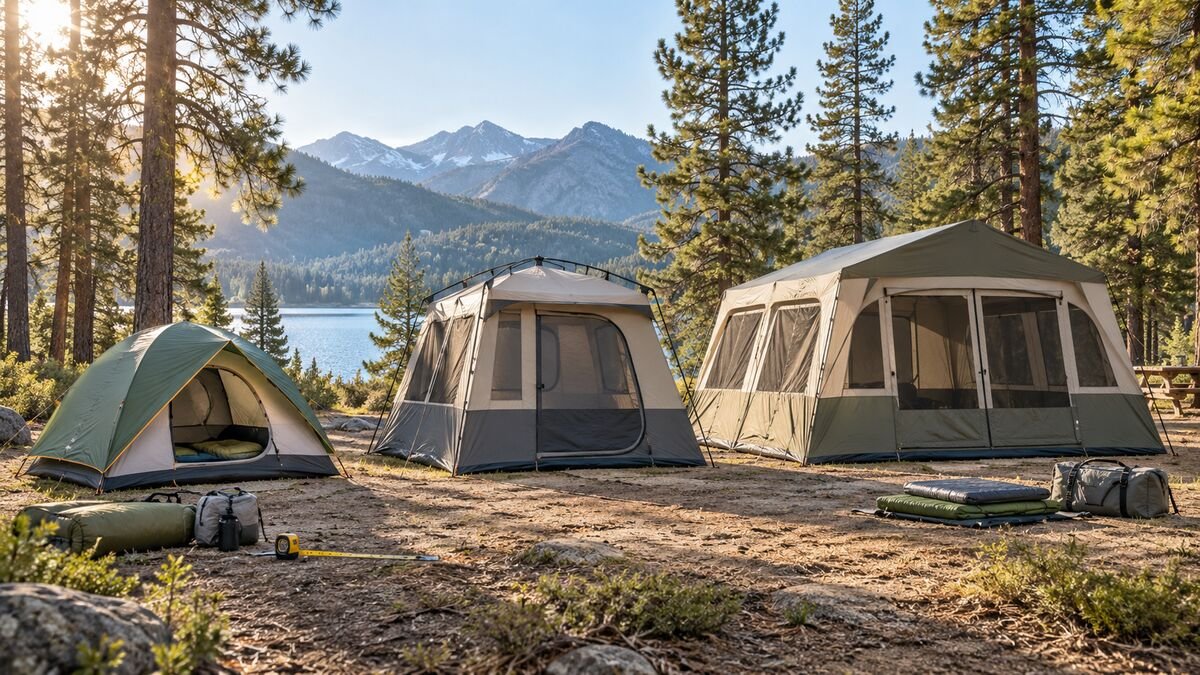
Choosing a family camping tent is less about finding the biggest model and more about matching the shelter to the way your family actually camps. The right tent should provide enough sleeping room, dependable weather protection, manageable setup, and practical features without becoming difficult to transport or maintain.
This guide explains how to choose a tent for family camping step by step. Use it before comparing models so you can focus on features that matter at the campsite instead of paying for capacity or technology you may never use.
Start With Your Family’s Real Camping Style
Begin with the type of trips you take most often. A family driving directly to an established campground has very different needs from one carrying equipment into a remote site. Car campers can usually prioritize standing height, multiple doors, storage pockets, and a larger floor plan because packed weight matters less. Families who walk any meaningful distance should give more attention to weight, packed size, and simple components.
Also consider trip length, climate, campground size, and how often you expect to move. A spacious cabin tent can feel wonderful for a week at one site but inconvenient for an overnight road trip. Choose for your most common use, not for a rare imaginary expedition.
Choose a Realistic Tent Capacity
Manufacturer capacity ratings normally describe how many sleeping pads can fit closely together. They do not guarantee comfortable personal space or room for bags, toys, a pet, and changing clothes. For most families, selecting a tent rated for one or two more people than the actual group creates a more usable interior.
- Two adults and one child: consider a four-person tent.
- Two adults and two children: consider a five- or six-person tent.
- A family of five: often a six- or eight-person tent is more comfortable.
- Families using cots, large mattresses, or indoor gear storage should size up further.
A larger capacity is not automatically better. Oversized tents need more campsite area, can take longer to pitch, and may be harder to stabilize in wind. Balance comfort with setup and transport.
Measure Your Sleeping System
Before buying, measure the mattresses, pads, or cots your family will use. Compare their combined footprint with the tent’s published floor dimensions. Remember that sloping walls can reduce usable space near the edges, especially for cots or thick air mattresses. A simple floor plan drawn with painter’s tape at home can reveal whether everyone will actually fit.
Compare Usable Floor Space, Not Only Dimensions
Two tents with similar listed dimensions can feel completely different. Near-vertical walls provide more shoulder room and allow campers to stand closer to the perimeter. A tall center height is useful, but wall shape determines how much of that height the family can use.
Look for a layout that leaves a walkway after beds are arranged. If every person must climb over another sleeper to reach the door, the tent will feel crowded at night. Families with young children may prefer an open interior, while older children may appreciate a divider that creates privacy.
Select the Right Tent Shape
Dome Tents
Dome tents use curved poles and usually offer a good balance of stability, weight, and straightforward setup. Their sloping walls shed wind well, although they provide less standing room along the sides. They are a sensible choice for smaller families or changing weather.
Cabin Tents
Cabin tents have straighter walls, generous headroom, and furniture-friendly interiors. They are popular for family car camping because the space feels more like a room. The tradeoffs can include a larger packed size, more fabric exposed to wind, and a broader campsite footprint.
Tunnel Tents
Tunnel designs can provide excellent usable space for their weight. They often have sleeping zones and a central living area, but they depend on careful staking and correct orientation to remain stable.
Instant and Pop-Up Tents
Instant tents use pre-attached or hub-style frames to reduce setup time. They can be valuable when one adult must manage children while pitching camp. Check the packed length, replacement-part availability, and instructions before deciding. Fast setup does not eliminate the need for stakes, guylines, and a rainfly.
Inflatable Tents
Inflatable tents replace many rigid poles with air beams. They can create a large, comfortable shelter and simplify assembly, but the pump, packed volume, price, and repair procedure should be considered. They work best for families who value comfort and stay several nights at a drive-up campsite.
Understand Weather Protection
Labels such as “waterproof” do not tell the whole story. Weather performance depends on the rainfly, seam construction, floor design, ventilation, pitching quality, and campsite selection. Look for a rainfly that covers vulnerable walls and openings, securely attached guylines, sealed or tapeable seams, and a bathtub-style floor that rises above ground level.
A larger vestibule or protected awning gives wet shoes and gear a place outside the sleeping area. In rain, keep belongings away from tent walls and never place a groundsheet where it can collect water beneath the floor.
Plan for Wind
Wind resistance comes from the complete structure. Pole geometry, fabric tension, stakes, guylines, and orientation all matter. Lower rounded shelters generally handle exposed conditions better than very tall cabins. Whatever style you choose, practice using every guy point before the trip and carry stakes appropriate for the soil.
Choose the Correct Season Rating
A three-season tent is the usual choice for spring, summer, and fall family camping. It typically combines rain protection with mesh ventilation. A 3+ season model uses a stronger structure and more protective fabric for cooler or more exposed conditions. A four-season tent is designed for severe wind and snow, but it may be heavier, more expensive, and less comfortable in warm weather.
Do not buy a four-season shelter simply because the name sounds more durable. Select the rating that matches the weather you realistically expect and follow the manufacturer’s limitations.
Prioritize Ventilation and Condensation Control
Every sleeper adds moisture to the air through breathing. Without airflow, that moisture can collect on the inner surface and may be mistaken for a leak. Choose a tent with adjustable low and high vents, mesh panels, and protected openings that can remain usable during light rain.
Double-wall tents separate the inner body from the rainfly, helping moisture move away from sleepers. Leave space between the fly and inner wall, avoid blocking vents with gear, and dry the tent completely after the trip.
Evaluate Doors, Windows, and Room Dividers
One large door may work for a small family, but two doors reduce nighttime traffic across sleeping areas. Check whether doors can be opened with one hand, whether zippers follow tight corners, and whether rain can drip inside when the door is unzipped. Mesh windows improve airflow and visibility, while privacy panels make changing clothes easier.
Room dividers can organize a large tent, but most are thin fabric rather than soundproof walls. Confirm that the divider still permits ventilation and does not interfere with the door or ceiling light attachment.
Consider Setup Time and Complexity
The best setup system is one your family can repeat in wind, fading light, or light rain. Color-coded poles, clips, hub systems, and pre-attached frames can reduce confusion. Watch the official setup instructions when available and check whether one adult can manage the process if necessary.
Always practice at home. Confirm that all poles, stakes, guylines, and rainfly parts are present. A trial pitch also shows whether the packed tent will fit in the vehicle and whether the family understands where each component belongs.
Check Packed Size, Weight, and Transportation
Family tents can be bulky even when their listed weight seems manageable. Compare the packed dimensions with your trunk, roof box, or storage area. Long instant-tent frames may not fit across a compact vehicle. If you walk from parking to the campsite, consider whether the bag has strong handles or whether a wagon is allowed.
Look for Practical Storage and Entry Protection
Interior pockets keep glasses, keys, and headlamps off the floor. A gear loft can help, but loading the ceiling with heavy items may reduce headroom. Vestibules, mud mats, and awnings help protect the entrance and prevent dirt from spreading through the sleeping area.
If you want an example of a roomy multi-size shelter, see our Naturehike KOTA camping tent review. Use product reviews as one part of the decision, then verify current dimensions and included accessories with the manufacturer or retailer.
Match the Tent to the Campsite
Large family tents need a flat pad with enough clearance for the body, rainfly, and guylines. Campground pads may be smaller than the maximum tent footprint. Check site descriptions and recent campground information before reserving. At the site, avoid low areas where water may pool, dead branches overhead, and exposed ridges when severe weather is possible.
Calculate the Complete Budget
The purchase price may not include everything needed for reliable use. Budget for suitable stakes, a footprint or correctly sized groundsheet, a mallet, repair supplies, seam treatment if recommended, and lighting. A less expensive tent with available replacement parts may provide better long-term value than a complex model that cannot be repaired.
Common Family Tent Buying Mistakes
- Choosing capacity from the number on the box without measuring beds.
- Buying a very tall tent for a consistently windy destination.
- Ignoring packed dimensions until loading the vehicle.
- Assuming an instant frame does not require stakes or guylines.
- Leaving the first setup attempt for arrival at the campground.
- Judging waterproof performance from one marketing word.
- Storing the tent while damp, which can cause odor and material damage.
Family Tent Checklist
- Capacity includes extra space for gear and sleeping equipment.
- Floor dimensions fit your actual pads, mattresses, or cots.
- Peak height and wall shape suit the adults in the family.
- Weather rating matches the seasons and destinations you use.
- Rainfly, seams, floor, stakes, and guylines form a complete system.
- Ventilation can be adjusted in warm, cool, and rainy conditions.
- Doors and dividers work with the planned sleeping layout.
- Setup can be completed by the available adults.
- Packed size fits the vehicle and home storage area.
- The complete tent footprint fits typical campsites.
Final Thoughts
To choose a tent for family camping, start with the people, beds, destinations, and weather—not the advertised capacity alone. Measure the sleeping layout, compare usable interior space, and select a structure your family can pitch confidently. Then evaluate ventilation, doors, storage, packed size, and total cost.
A well-matched family tent does not need to be the largest or most expensive option. It needs to be comfortable enough for the whole group, appropriate for expected conditions, and simple enough that setting up camp remains part of the adventure rather than the hardest part of the trip.
Leave a Reply
You must be logged in to post a comment.