

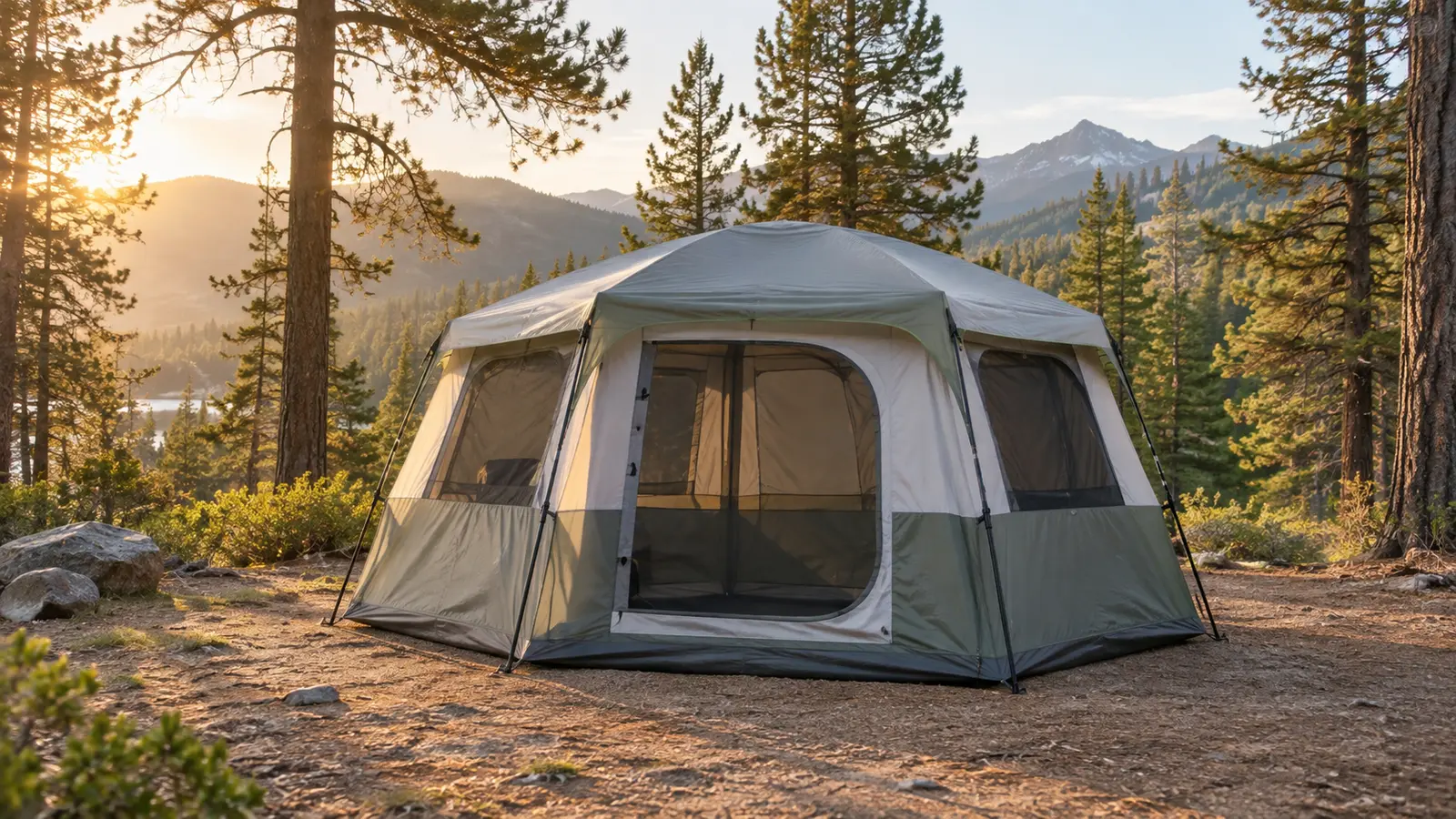
Discover the best camping tents for outdoor adventures, including Night Cat tents, lightweight backpacking tents, and comfortable camping hammock tents.
Choosing the right camping tent can make a big difference in your outdoor experience. Whether you’re planning a weekend in the woods, a backpacking trip, or a relaxing night under the stars, the right shelter can keep you comfortable, dry, and protected from the elements.
From traditional camping tents to lightweight camping hammock tents, there are many options available for different types of outdoor adventures. In this guide, we’ll explore what to look for when choosing a tent and why options such as a Night Cat tent may be worth considering for certain camping situations.
Why Choosing the Right Camping Tent Matters
Your tent is more than just a place to sleep. It provides protection from rain, wind, insects, cold temperatures, and changing weather conditions.
A good camping tent should provide a balance between comfort, durability, weight, ventilation, and ease of setup.
Before buying a tent, consider where you will be camping, how often you plan to use it, and how many people will sleep inside.
Types of Camping Tents
There are several types of tents designed for different outdoor activities.
Traditional Camping Tent
A traditional camping tent is a versatile choice for family camping, weekend trips, and campground adventures. These tents are generally easy to set up and provide plenty of interior space.
If comfort and room are more important than minimizing weight, a traditional camping tent can be an excellent option.
Night Camping Tent
A night camping tent should provide a comfortable sleeping environment while protecting you from outdoor conditions.
When choosing a tent for overnight camping, look for features such as waterproof materials, strong poles, good ventilation, durable zippers, and enough room to store essential gear.
A well-designed tent can help you get a better night’s sleep after a long day outdoors.
Camping Hammock Tent
A camping hammock tent combines the elevated sleeping position of a hammock with the protection of a tent.
This type of shelter can be especially useful when camping in areas where the ground is wet, uneven, or uncomfortable. Because the sleeping area is elevated, you don’t have to worry as much about rocks, roots, or moisture on the ground.
Hammock tents can also be a practical choice for backpackers who want a lightweight shelter system.
Night Cat Tent: Is It a Good Option for Camping?
The Night Cat tent name is commonly associated with camping shelters designed for outdoor use, including hammock-style camping solutions.
For campers who enjoy lightweight adventures and backpacking, a Night Cat-style hammock tent can offer an interesting alternative to a conventional ground tent.
However, the best option depends on your camping style.
If you normally camp at established campgrounds and want maximum interior space, a traditional tent may be more comfortable.
If you prefer backpacking, hiking, or camping in wooded areas, a lightweight hammock tent may be more convenient.
What to Look for in a Camping Tent
Before purchasing a camping tent, consider these important features.
1. Size and Capacity
Choose a tent based on the number of people who will actually use it.
A two-person tent is usually suitable for one or two campers, while larger tents are better for families or groups.
Keep in mind that tent capacity does not always account for personal gear, so additional space can make camping more comfortable.
2. Weather Protection
Weather can change quickly outdoors. Look for a tent made with water-resistant or waterproof materials and a design that provides adequate protection from rain and wind.
A quality rainfly and a properly designed floor can provide additional protection during wet conditions.
3. Ventilation
Good ventilation helps reduce condensation inside the tent.
Mesh panels, windows, vents, and breathable materials can improve airflow while still helping keep insects outside.
4. Weight
If you’re driving to a campground, tent weight may not be a major concern.
For backpacking and hiking, however, every extra pound matters.
A lightweight camping tent can make a long hike considerably more comfortable.
5. Ease of Setup
A complicated tent can become frustrating when you arrive at your campsite after a long day.
Look for a design that can be assembled quickly and easily, especially if you frequently camp alone.
6. Durability
Camping equipment needs to withstand repeated use.
Look for strong fabric, reliable stitching, durable poles, quality zippers, and sturdy attachment points.
Taking proper care of your tent can also significantly extend its useful life.
Camping Tent vs. Camping Hammock Tent
Both options can work well, but they are designed for different camping preferences.
| Feature | Traditional Camping Tent | Camping Hammock Tent |
|---|---|---|
| Sleeping position | Ground | Elevated |
| Uneven ground | May require site preparation | Less affected by ground conditions |
| Weight | Varies | Often lightweight |
| Setup | Usually straightforward | Requires suitable trees or anchor points |
| Interior space | Usually more spacious | More compact |
| Backpacking | Good with lightweight models | Often convenient |
| Family camping | Excellent | Usually better for solo campers |
The best choice ultimately depends on your destination, weather, experience, and personal comfort preferences.
Essential Camping Gear to Take With You
A good tent is only one part of a successful camping setup.
Depending on your trip, consider bringing:
- Sleeping bag
- Sleeping pad or camping mattress
- Camping pillow
- Headlamp or flashlight
- Portable power bank
- First-aid kit
- Water bottle or hydration system
- Camping stove
- Cooking equipment
- Food storage containers
- Navigation tools
- Rain jacket
- Extra clothing
- Insect repellent
- Multi-purpose camping tool
- Fire-starting supplies where permitted
Preparing your equipment before leaving home can help prevent problems once you arrive at your campsite.
Tips for a Better Camping Experience
Choose Your Campsite Carefully
Look for level ground when using a traditional tent. Avoid areas where water could collect during rain and stay away from unstable trees or branches.
If you’re using a hammock tent, select strong and appropriately spaced trees and follow the manufacturer’s setup instructions.
Check the Weather
Always check the forecast before your trip and prepare for changing conditions.
Even when the forecast looks favorable, carrying appropriate rain protection and warm layers is a smart idea.
Practice Setting Up Your Tent
Don’t wait until you arrive at the campsite to learn how your tent works.
Setting it up at home first allows you to understand the poles, rainfly, straps, and other components before you need them.
Keep Your Gear Organized
An organized campsite makes camping easier and more enjoyable.
Keep frequently used items somewhere accessible and store food appropriately according to local wildlife and campsite regulations.
Frequently Asked Questions
What is the best camping tent for beginners?
For beginners, a traditional camping tent with simple setup instructions, good ventilation, and adequate weather protection is usually a practical choice.
Is a Night Cat tent good for camping?
A Night Cat tent can be an option for campers interested in lightweight or hammock-style camping. The right choice depends on your destination, camping conditions, and personal preferences.
What is a camping hammock tent?
A camping hammock tent combines a hammock sleeping system with shelter and protection from outdoor conditions. It is typically suspended above the ground using suitable anchor points such as trees.
Are hammock tents good for backpacking?
Hammock tents can be useful for backpacking because some models are lightweight and compact. However, they require suitable trees or anchor points, so they are not ideal for every camping location.
What size camping tent should I buy?
Choose a tent based on the number of people using it and the amount of gear you need to store. If you value extra comfort, choosing a tent with slightly more capacity can be worthwhile.
Final Thoughts
Finding the right camping tent depends on how, where, and how often you camp.
Traditional tents remain an excellent choice for campground and family camping, while a camping hammock tent can provide a lightweight and elevated alternative for hikers and backpackers.
Whether you’re looking for a night camping tent, researching a Night Cat tent, or simply trying to find the best shelter for your next outdoor adventure, focus on weather protection, comfort, weight, durability, and ease of setup.
With the right equipment and preparation, your next camping trip can be more comfortable, enjoyable, and memorable.
Leave a Reply
You must be logged in to post a comment.